
SHIVA Master Pack
The results will amaze you!
Essential for vegetative development and root formation.
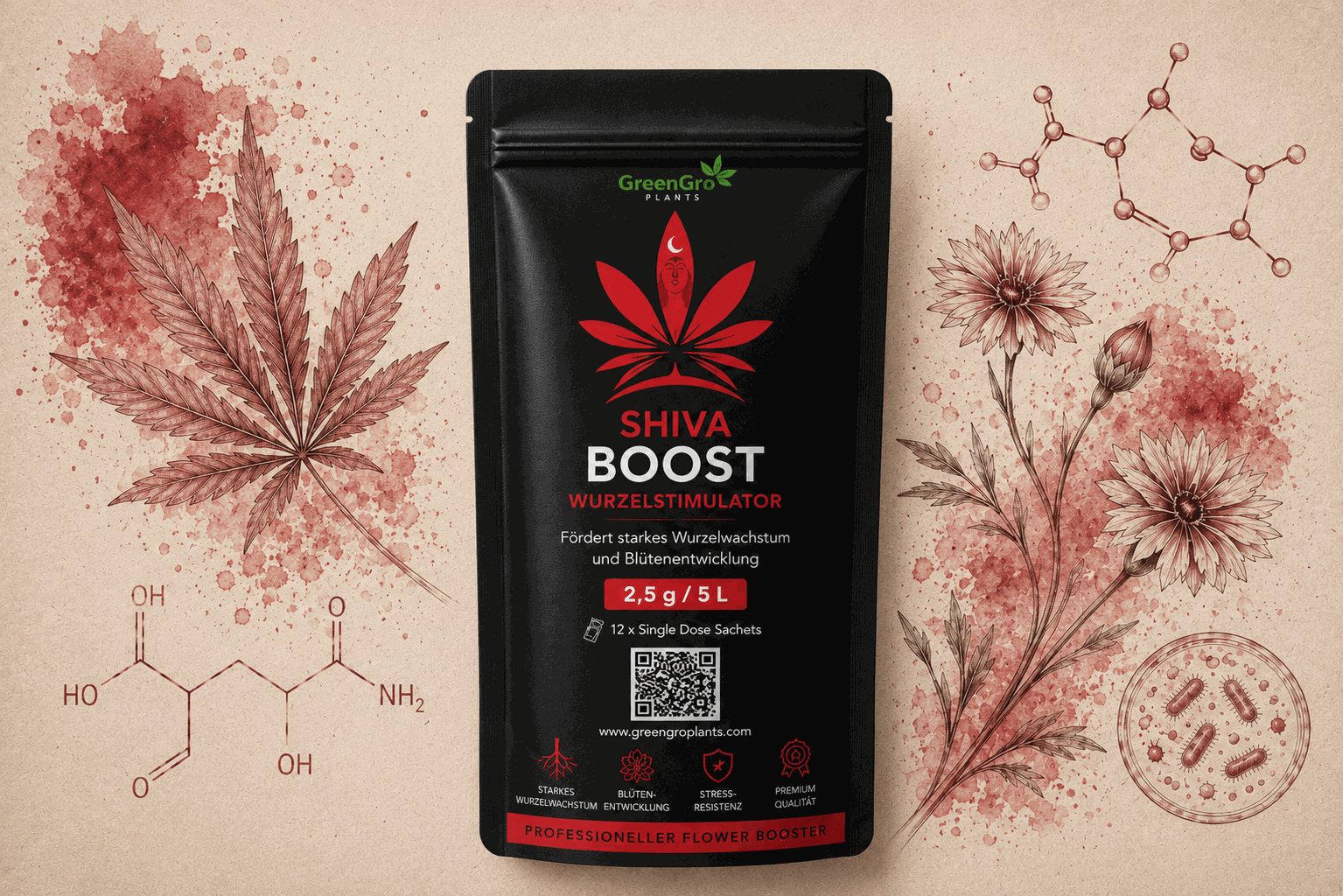
Essential for vegetative development and root formation.
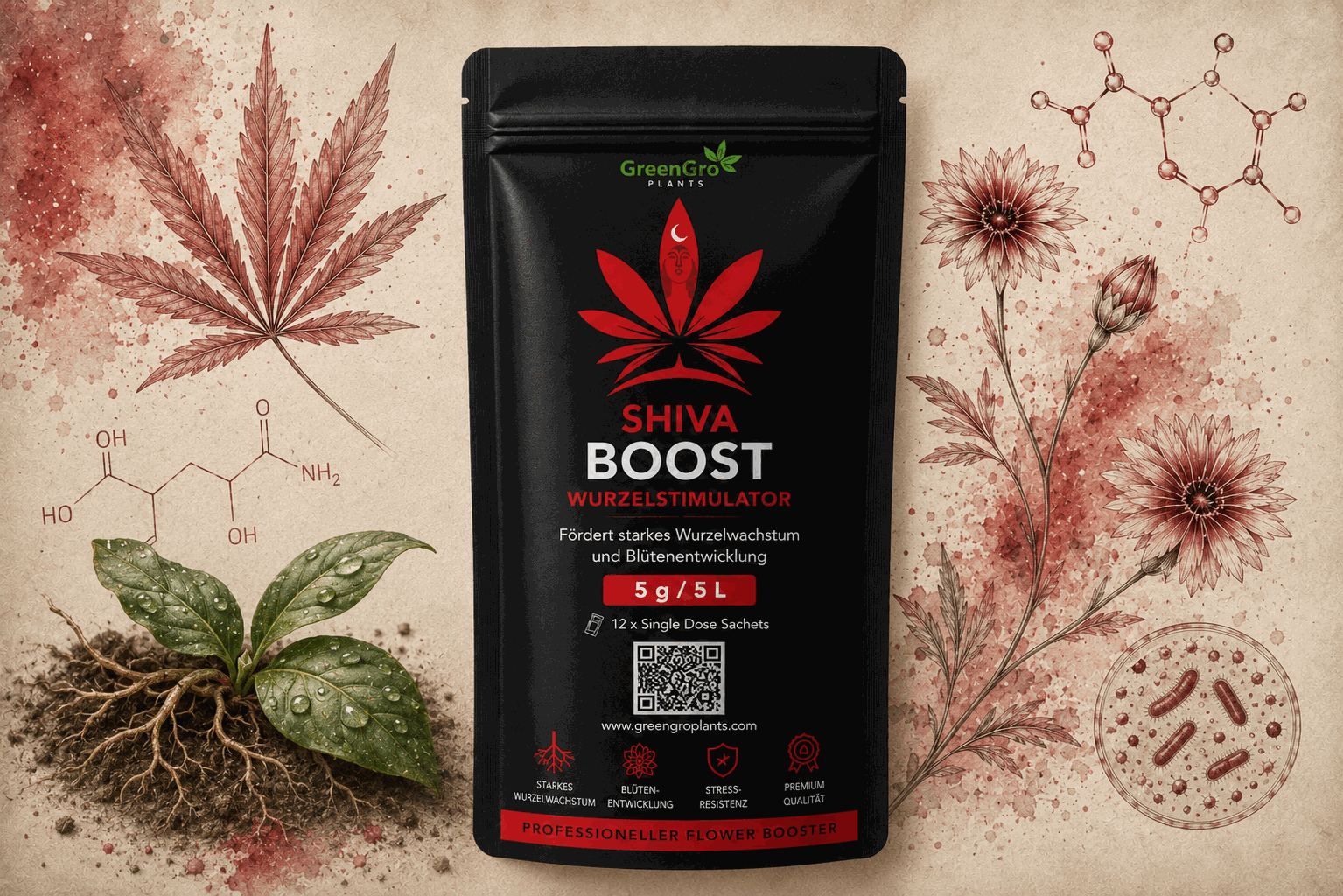
Effectively supports the vegetative growth phase.
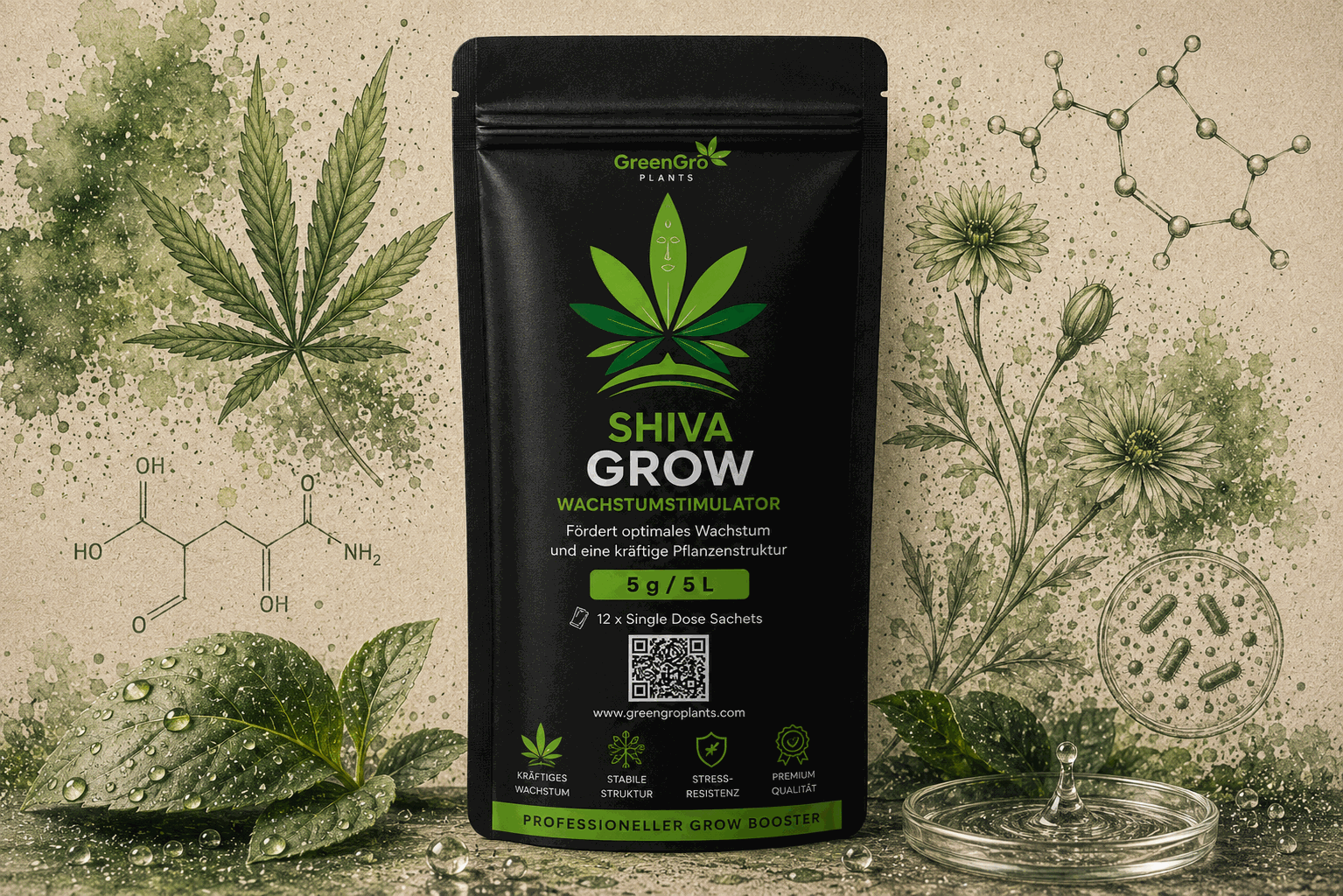
Promotes full bud set and improves bud density.
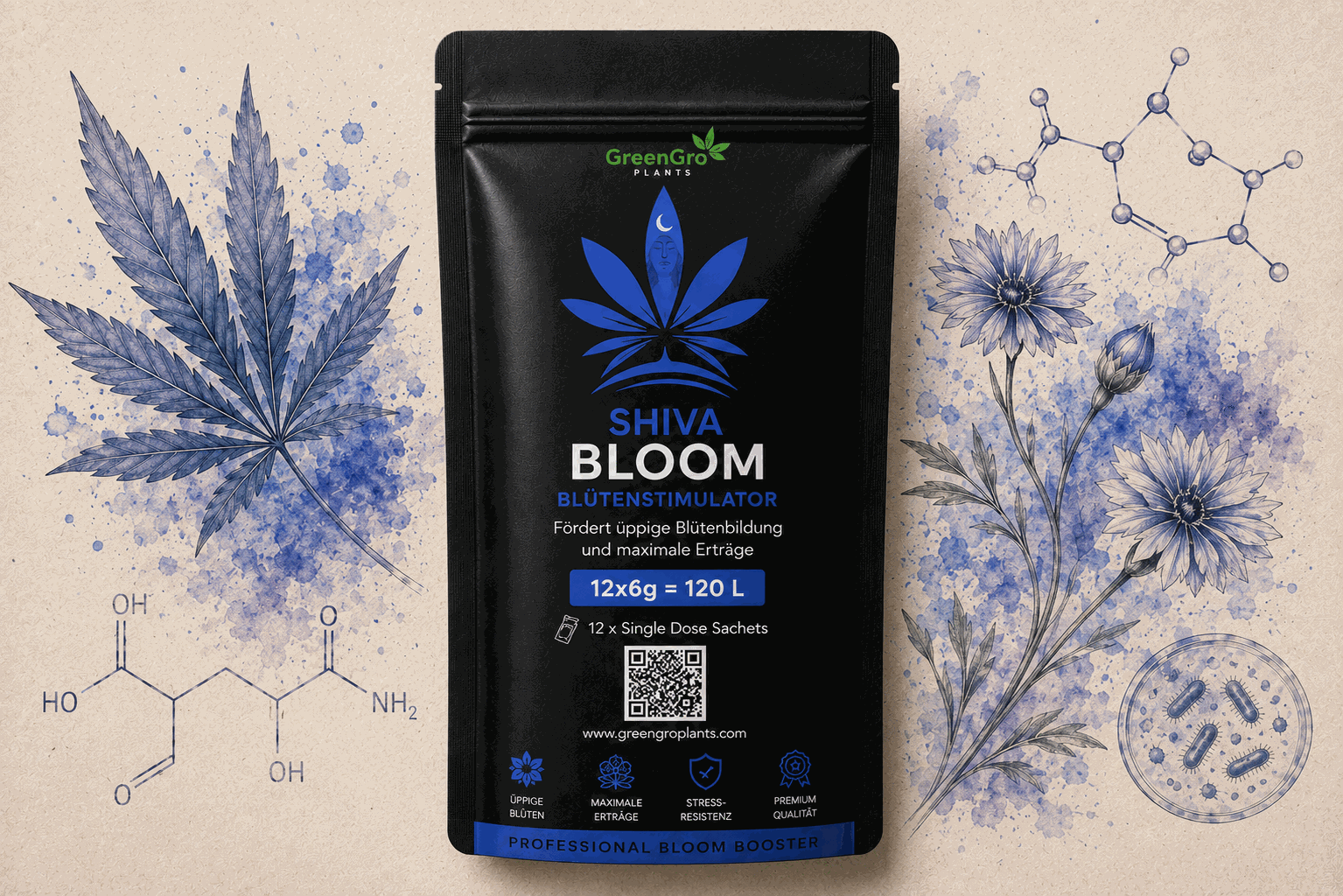
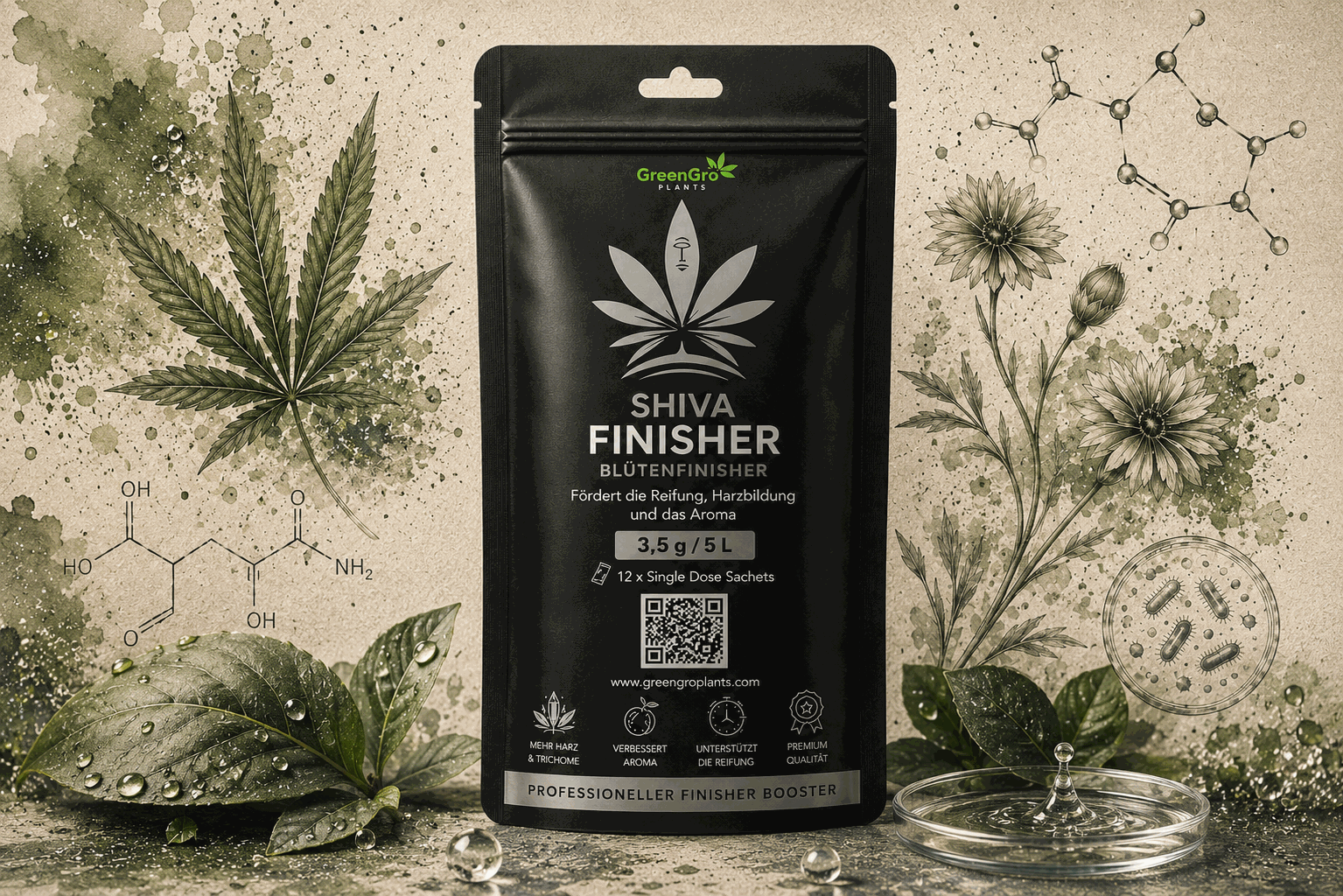
Promotes bud density – ideal for the final ripening phase before harvest.
Influences the plant's physiological processes, promotes vigorous growth and increases resistance to abiotic stress.

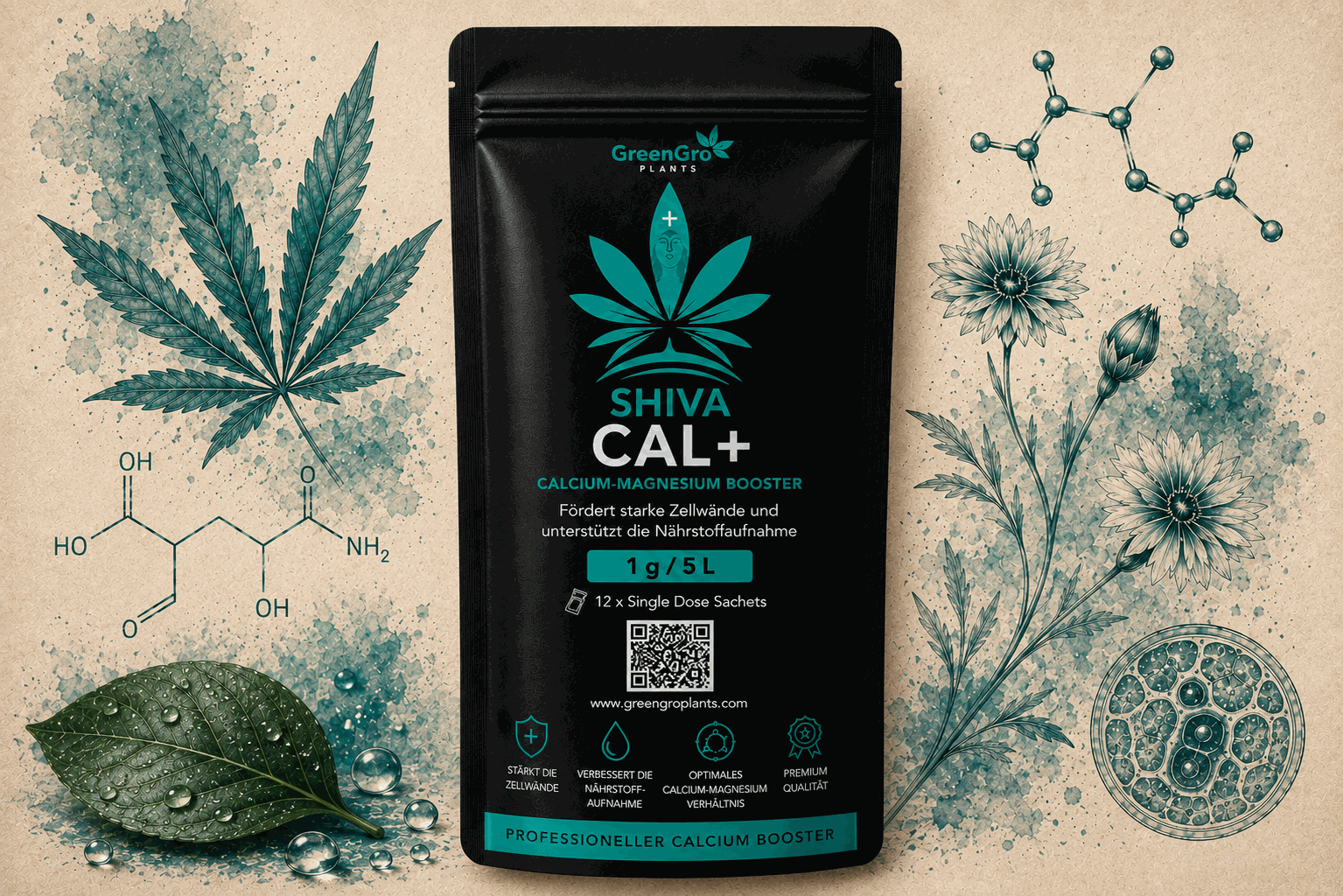
Prevents blossom end rot, strengthens cell walls and the plant's stress tolerance.
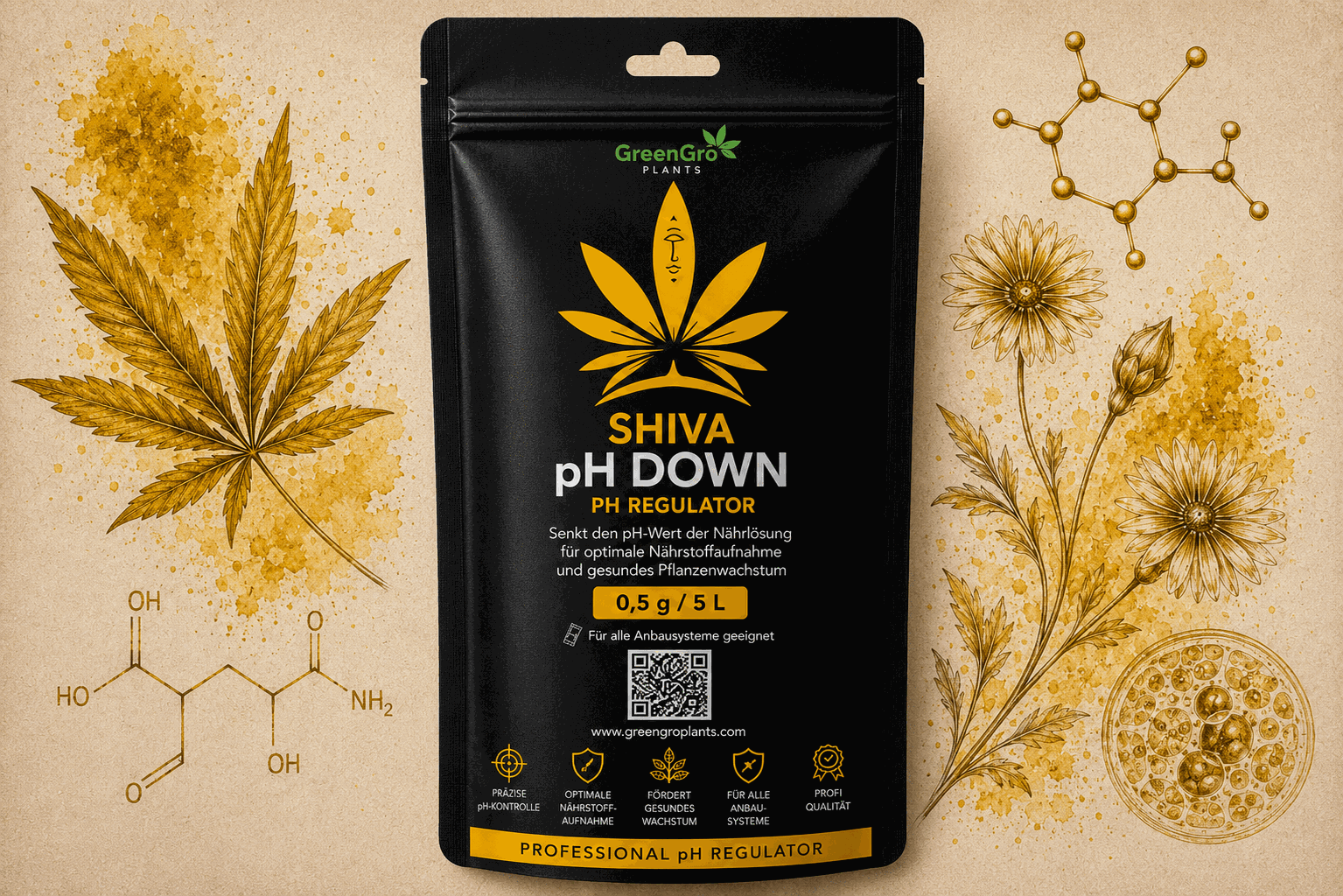
that helps set the optimal pH of irrigation water to maximise nutrient uptake.
14-week cannabis programme
SHIVA sachets contain fixed, pre-measured, effective doses that make watering significantly easier.
For 5 litres of irrigation water · add 1 sachet of SHIVA nutrient, according to the Feeding Schedule table!
As a cannabis grower, it is essential to understand the cannabis feeding schedule and how to properly feed plants throughout their growth cycle. A planned feeding schedule ensures that your plants receive the right nutrients at the right time and in the right quantities.
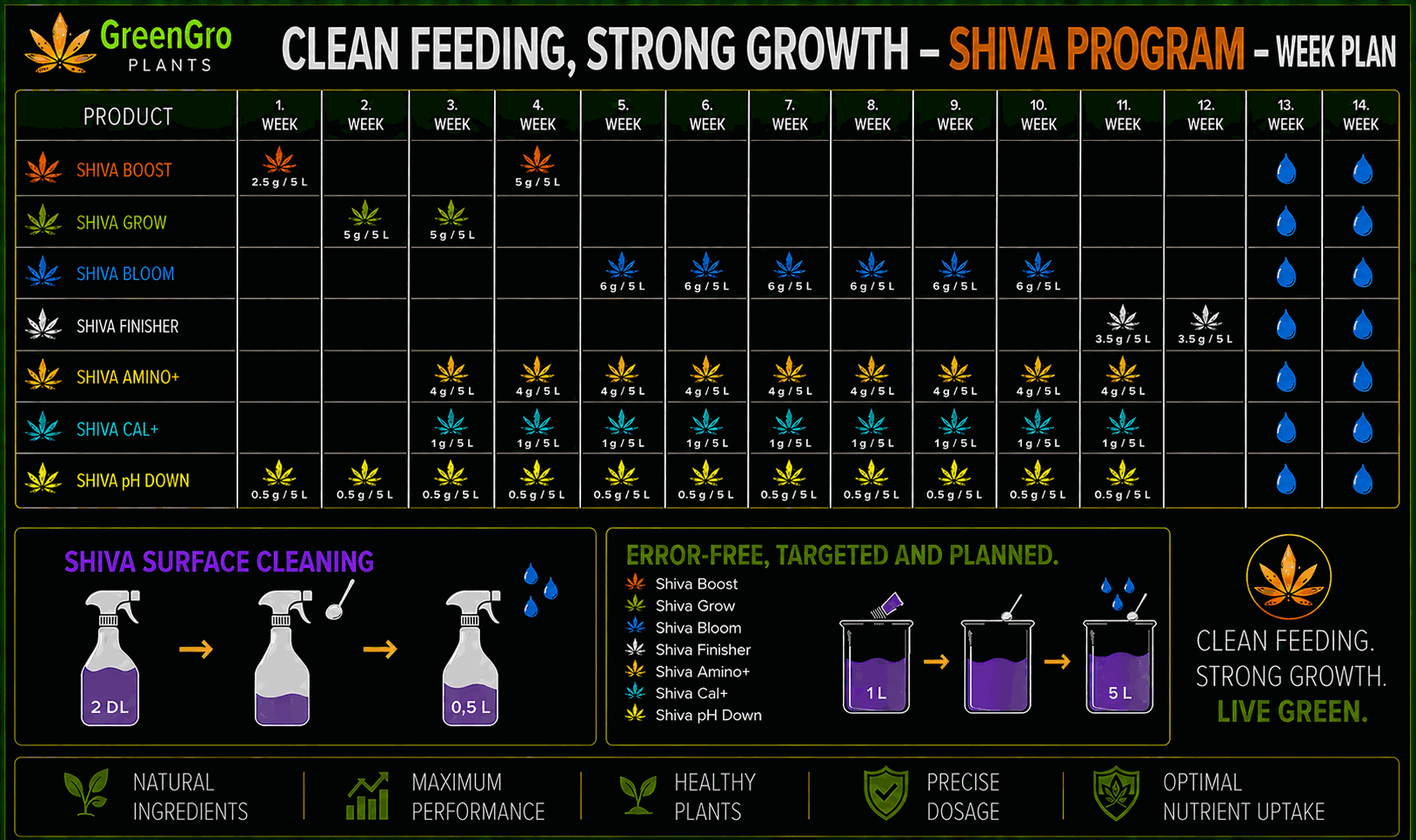
| Phase | Weeks | Waterings/week | Note |
|---|---|---|---|
 BOOST – start BOOST – start | 1. week | 1× | |
 GROW – vegetative GROW – vegetative | 2–3. week | 2× | |
| BOOST – bud boost | 4. week | 2× | |
 BLOOM – flowering BLOOM – flowering | 5–10. week | 2× | |
| FINISHER – ripening | 11–12. week | 2× | |
| FLUSH – flush | 13–14. week | 2× |
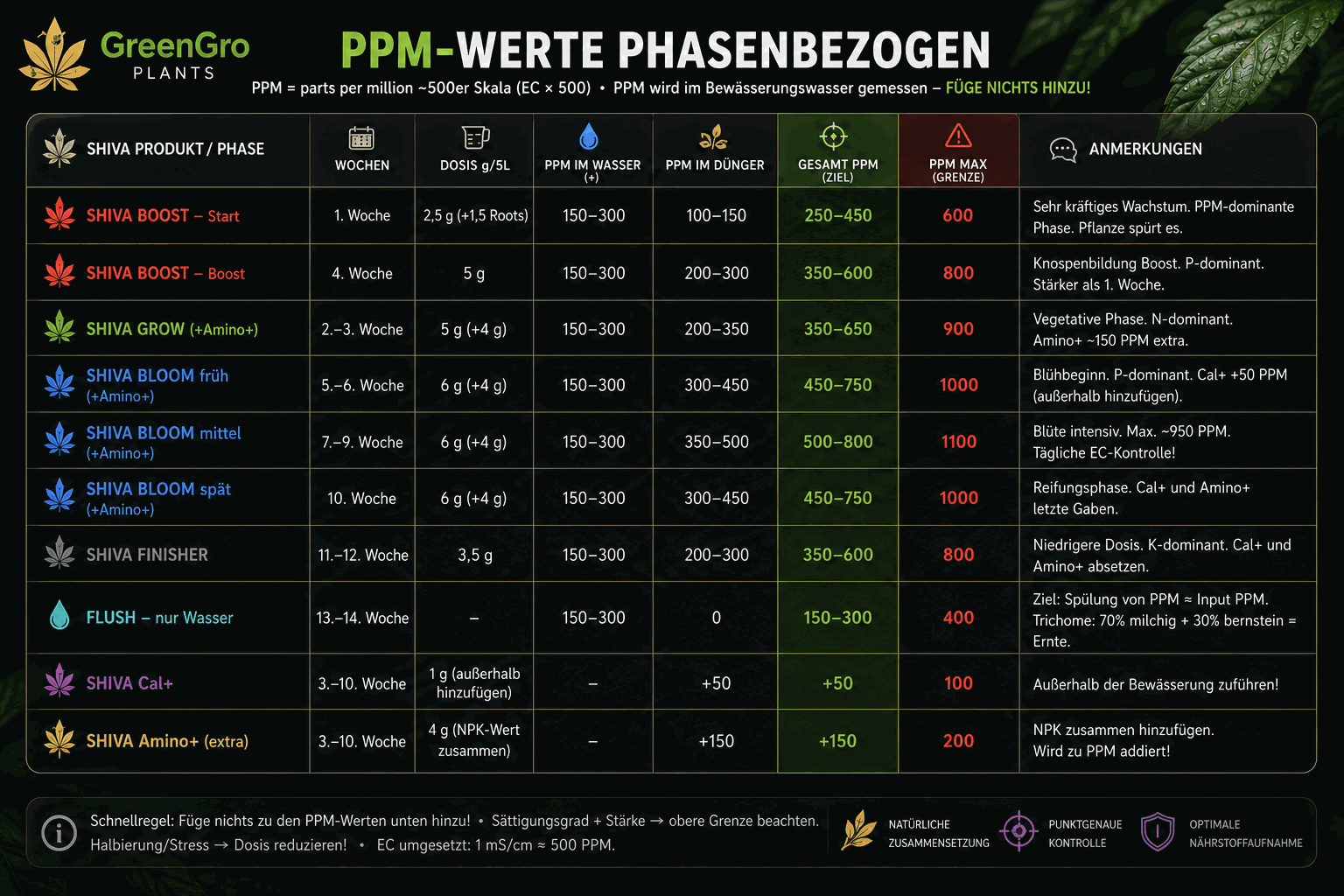
PPM values by growth stage
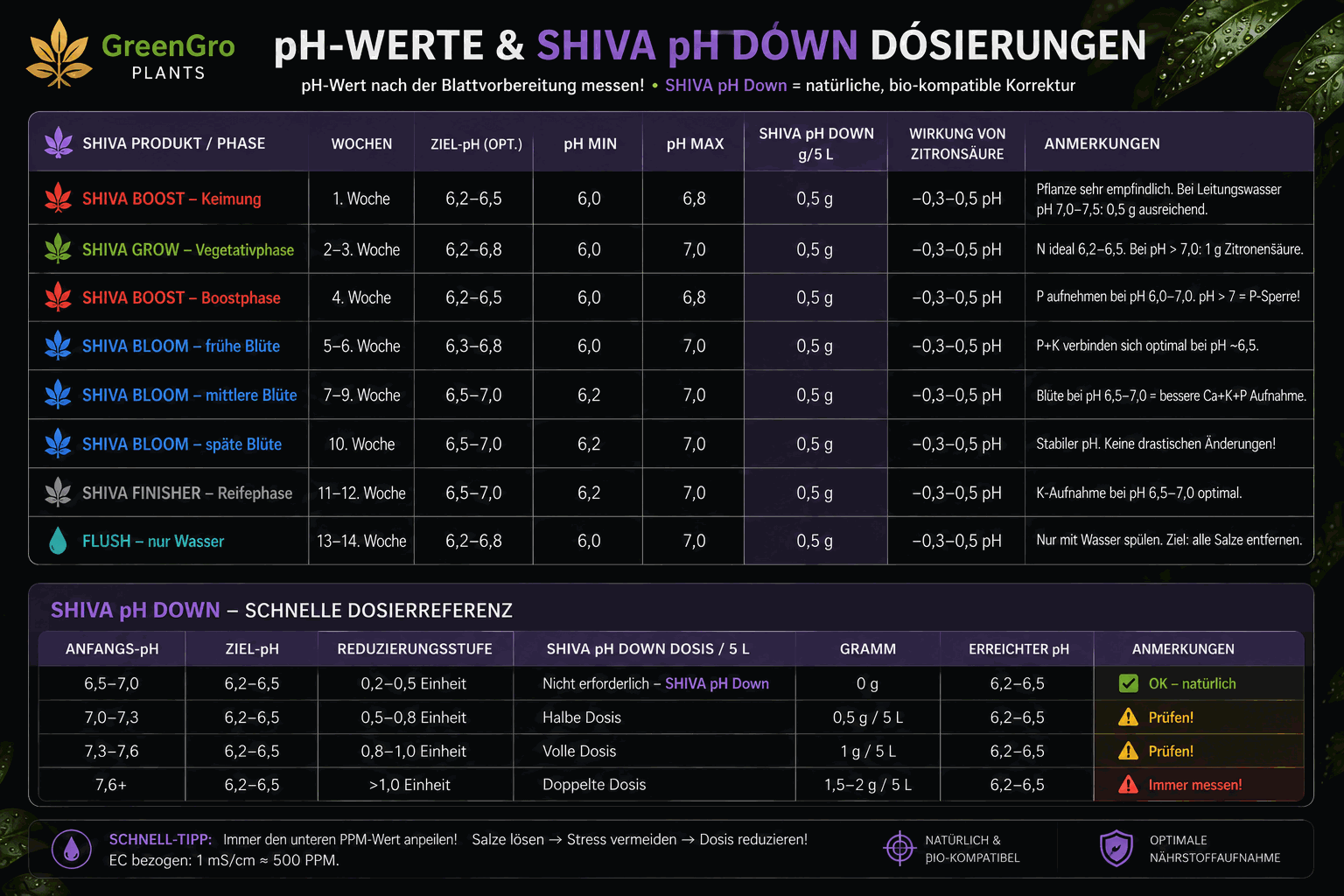
pH values & SHIVA pH Down dosages
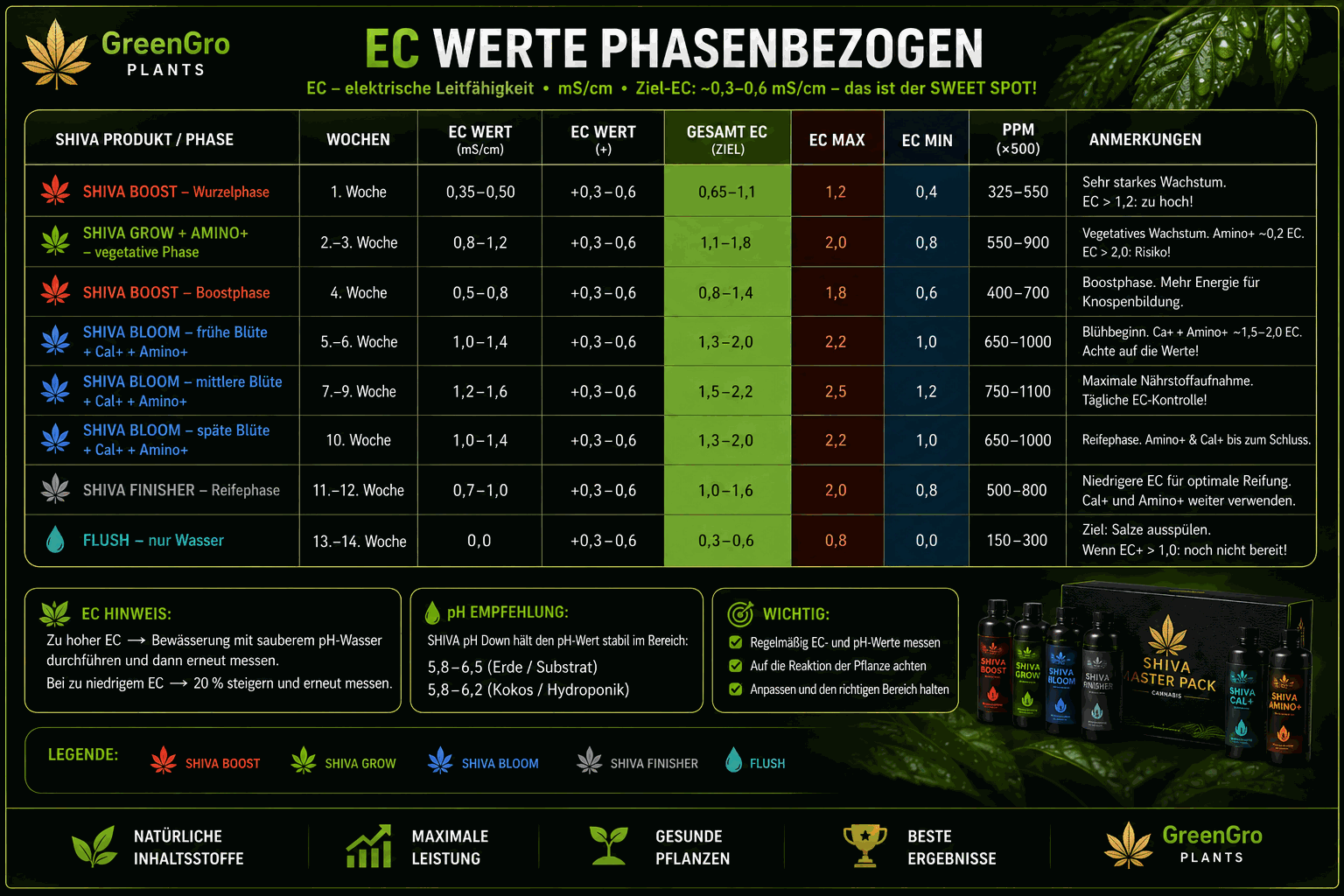
EC values by growth stage
Watering Tips
Proper watering prevents the most common growing mistakes · 20% runoff rule · finger test · phase-by-phase guide
| Phase | Weeks | Characteristics |
|---|---|---|
| 1 – Germination | 1–2 weeks | |
| 2 – Seedling stage | 2–4 weeks | |
| 3 – Vegetative stage | 2–8 weeks | |
| 4 – Flowering stage | 4–12 weeks |
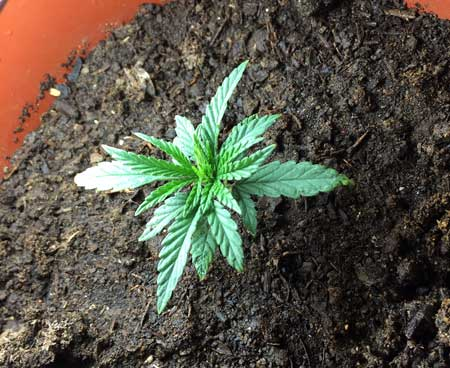
When growing seedlings in a large container (e.g. 13 litres or bigger), it is important to water slowly, giving only a small amount at a time until the seedling has grown into the pot size.
- Water slowly in a small circle around the stem – about 5 cm away from the base in every direction
- If the seedling is larger, widen the circle to match the spread of the leaves
- Always water in a circular motion until a small amount of runoff comes out of the bottom
- Remove runoff water from the tray immediately so it is not reabsorbed
- Do not water again until the top inch (first knuckle) feels dry to the touch
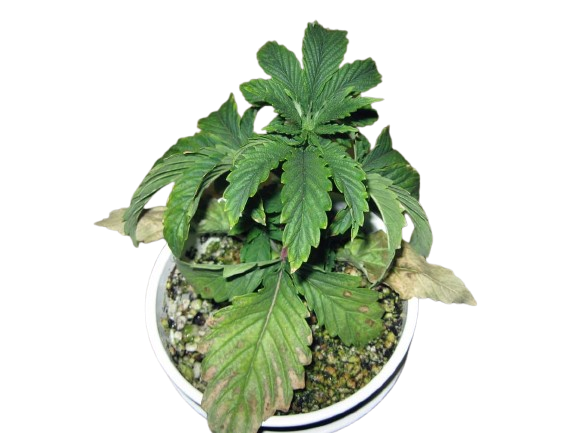
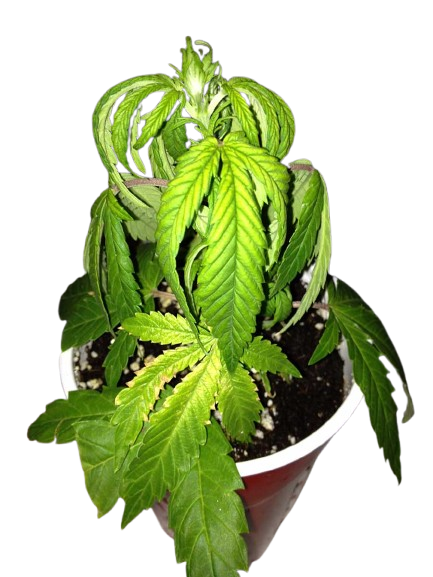
Drooping and curling leaves are the first sign of overwatering. The leaves feel firm and curl downward from the stem to the tip – they begin drooping shortly after watering. If left uncorrected, it leads to yellowing and nutrient problems.
Solution:
- Allow more time between waterings – restart slowly
- Increase temperature and airflow to help moisture evaporate faster
- Carefully poke a few aeration holes into the medium with a pencil
- Always make sure the pot has proper drainage holes!
| Step | Action |
|---|---|
| Step 1 | |
| Step 2 | |
| Step 3 | |
| Step 4 |
| Day | Water per plant | Notes |
|---|---|---|
| Day 1 | 500 ml | |
| Day 3 | 500 ml | |
| Day 6 | 500 ml | |
| Day 8 | 750 ml | |
| Day 11 | 750 ml | |
| Day 14 | 1,000 ml | |
| Day 17 | 1,000 ml | |
| Day 20 | 1,250 ml | |
| Day 23 | 1,500 ml | |
| Day 26 | 1,500 ml | |
| Day 29 | 2,000 ml | |
| After this | Finger test + 20% runoff |
- Ensure 10–20% runoff with every watering – add enough water so approximately 10–20% more drains out of the bottom
- Let the top layer dry out – in soil, a few centimetres deep; in coco, until the first knuckle feels dry
- Never let plants sit in standing water – roots will suffer from lack of oxygen
- If you want to avoid runoff (water-only substrate), give approximately 2 litres per plant every 2–3 days
| Stage | When to apply | Method |
|---|---|---|
| Early stage | While the top takes more than 2–3 days to dry out | |
| Regular watering stage | Once the top dries out within 2–3 days |
Pests & Diseases
Recognizing nutrient deficiencies, pests and fungal diseases – early detection is key to intervention.
Plants require micro and macronutrients in small quantities, but their absence can cause significant yield loss. Recognizing visual symptoms is key to early intervention.
Nitrogen
Main component of chlorophyll and proteins. Drives intensive leaf and shoot growth. Critical during the vegetative phase.
Phosphorus
Root development, flower formation and energy transfer (ATP). Critical during flowering and fruit set.
Potassium
Water and nutrient transport, turgor pressure, disease resistance. Especially important in the finishing phase.
Calcium
Cell wall formation, root growth, nutrient uptake. Not mobile – continuous supply required.
Magnesium
Center of the chlorophyll molecule. Photosynthesis, enzyme activity, aids phosphorus uptake.
Sulfur
Component of amino acids and proteins. Enzyme activator, supports terpene production.
Iron
Chlorophyll synthesis, nitrogen fixation, enzyme component. EDDHA chelate is pH-insensitive.
Manganese
Chlorophyll synthesis, vitamin C and nitrogen metabolism. Better mobilized in acidic soil.
Zinc
Component of enzyme systems, protein synthesis, growth hormone production.
Copper
Reproduction, enzyme activity, chlorophyll synthesis. Aids root development and protein utilization.
Boron
Cell membrane, root and shoot growth, sugar transport. Critical for fruit set.
Molybdenum
Nitrogen metabolism, protein synthesis, conversion of inorganic phosphates to organic forms.
Plants obtain carbon, hydrogen and oxygen from air and water – these make up the bulk of plant material. In addition to the 13 nutrients listed, these are also essential.
SHIVA Solution: SHIVA Bloom, Grow and Boost products contain EDDHA-chelated iron and a complete micronutrient package – stable at pH 3–9, immediately available. When deficiency symptoms appear, always check the pH value first!
In indoor cannabis cultivation, the enclosed environment can favor the rapid spread of certain pests and the development of some fungal diseases. Early detection requires regular inspection of the upper and lower leaf surfaces, young shoots, and flowers.
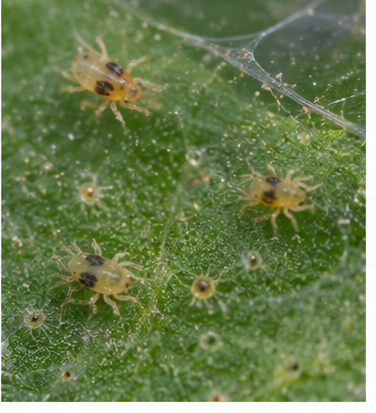
Tetranychus urticae
One of the most common and destructive pests in indoor cannabis cultivation. They reproduce very quickly in warm, dry environments and can infest entire crops in a short time.
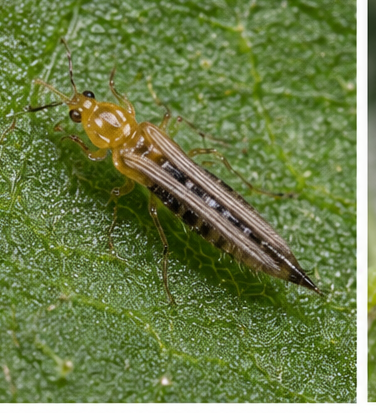
Frankliniella occidentalis
Tiny, fast-moving insects that feed on leaf surface cells and can also transmit plant viruses.
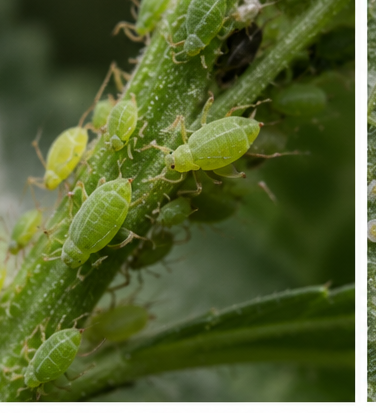
Aphididae
Sap-sucking insects that feed on young shoots and leaves, weakening the plant.
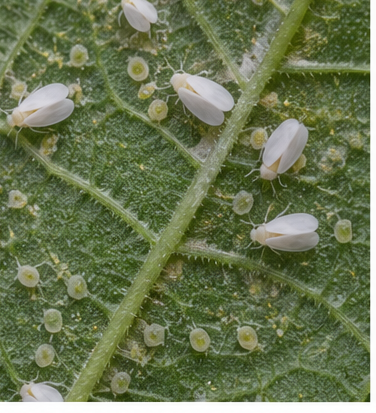
Trialeurodes vaporariorum
Small white insects that live on the underside of leaves and suck plant sap.
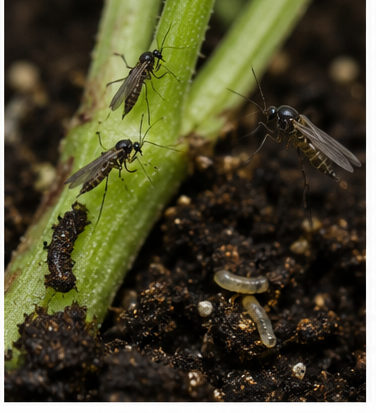
Bradysia spp.
Adult gnats cause little damage, but larvae in the soil can harm roots and reduce plant growth.
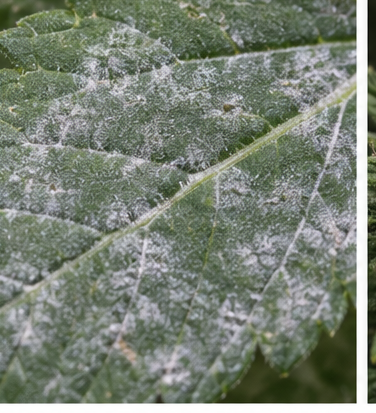
Golovinomyces spp.
An easily recognizable fungal disease on the leaf surface. Small white spots appear at first, which can later merge into a continuous coating.
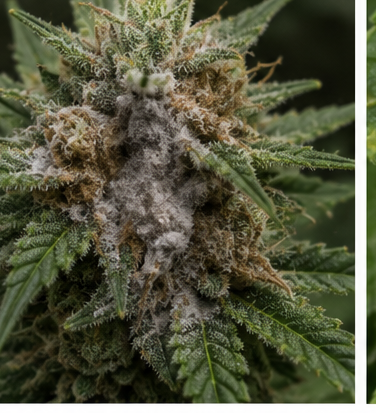
Botrytis cinerea
One of the most significant fungal diseases of flowering cannabis. Often starts inside the dense flower, making it hard to detect early.
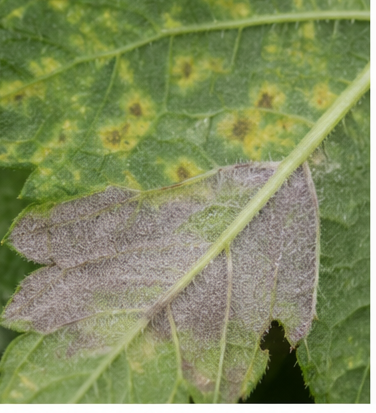
Peronospora, Pseudoperonospora and Plasmopara spp.
Less common indoors, but downy-mildew-like symptoms can develop with persistently wet leaf surfaces and high humidity.
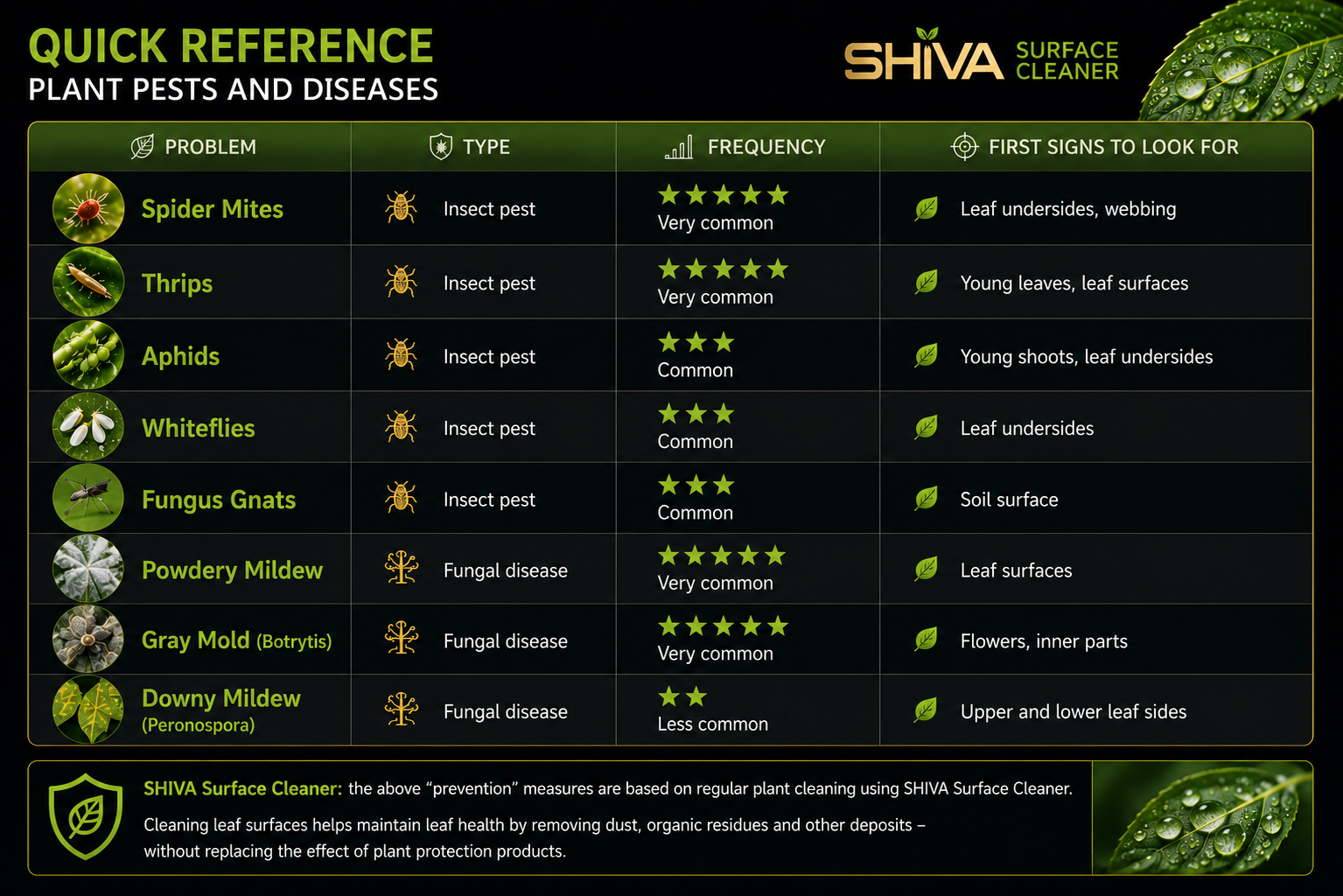
SHIVA Surface Cleaner: the "Prevention" notes above describe exclusively the role of preventive plant washing with SHIVA Surface Cleaner. Washing is a care measure that helps keep the plant surface clean – it does not replace an accurate diagnosis and is not, by itself, a sufficient solution against every pest or disease. On flowering plants, avoid prolonged wetting of the dense flower; after treatment, the surface must dry completely.