Fruits
Menu

What's in the Pack?

Contents
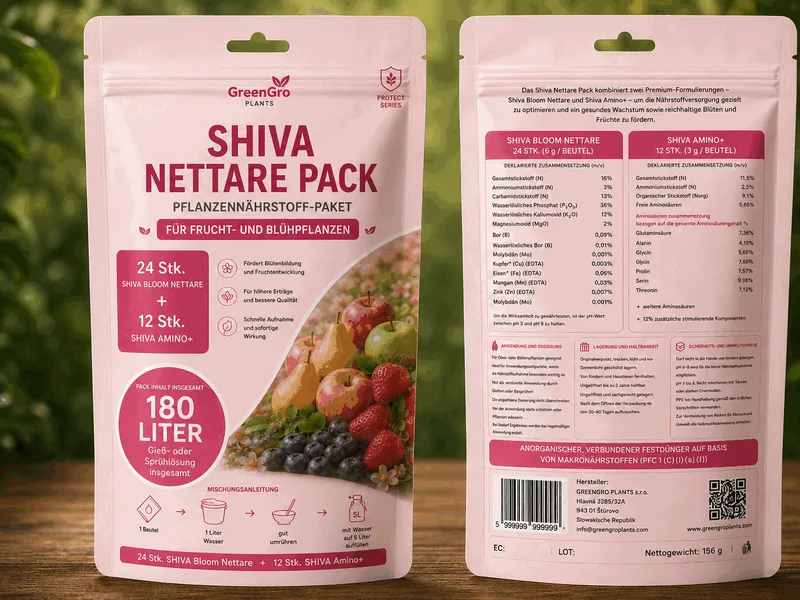
24 SHIVA Bloom Nettare + 12 SHIVA Amino+ sachets · 1 sachet = 5 litres of irrigation water.
Easy to use
Bloom Nettare and Amino+ can go in the same watering can – no separate watering round, no complicated alternating.
Quality
100% water-soluble, micronised powder · manufactured in line with EU Regulation 2019/1009.
SHIVA Nettare Pack

SHIVA Bloom Nettare

NPK16 – 36 – 12
Iron formEDTA-chelated iron
Pack24 sachets in the Pack
Dosage1 sachet / 5 L · weekly or every two weeks (depending on the fruit)
In pots (strawberry)1 sachet / 10 L – half strength
SeasonFrom bud break until 2 weeks before harvest
High P (36%) = flowering and fruit set. K (12%) = sugar content, flavour, aroma. N (16%) = shoot growth in spring.
SHIVA Amino+

SHIVA Amino+

CompositionN 11.5% – organic nitrogen of plant origin (protein hydrolysate)
Pack12 sachets in the Pack
Dosage1 sachet / 5 L · every two weeks or monthly (depending on the fruit)
CompatibilityCan be mixed with the Bloom feed solution
Organic nitrogen of plant origin (protein hydrolysate) to support vegetative growth.
Mixing order – every time you water

Mixing order – every time you water

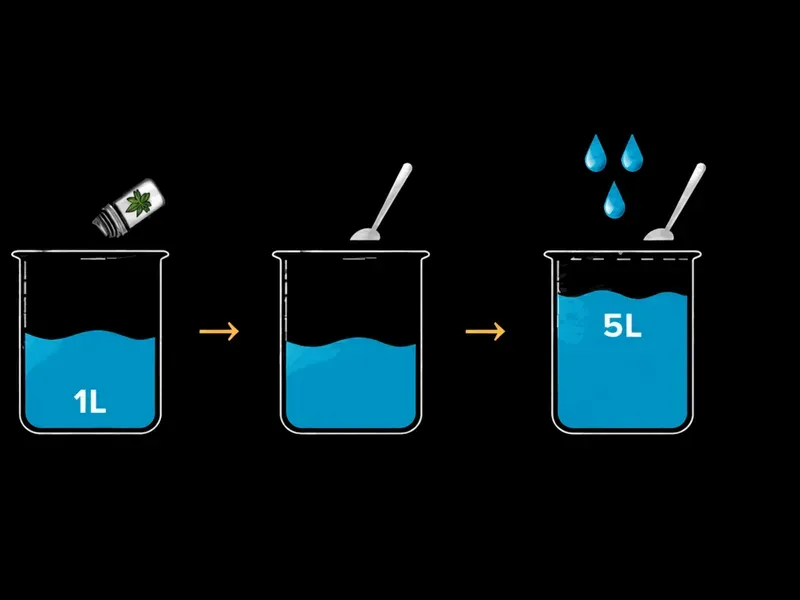
1.Fill the can with about 1 litre of water – don't pour the powder into a dry can
2.Open the SHIVA Bloom Nettare sachet and pour it into the water
3.If it is due according to your programme, the Amino+ sachet goes in too
4.Top up to 5 litres (10 litres in pots) and stir
5.Water the same day; store any leftover in a closed container for no more than 2 weeks
The ideal water pH is 6.0–7.0 – for blueberries 4.5–5.5, so use rainwater for them.
Product composition overview
ProductNPK / compositionFunctionPackDosage
SHIVA Bloom NettareNPK 16-36-12High phosphorus for flowering and fruit set, potassium for ripening and flavour24 sachets in the Pack1 sachet / 5 L weekly or every two weeks (depending on the fruit)
SHIVA Amino+N 11.5% – organic nitrogen of plant origin (protein hydrolysate)Organic nitrogen source to support vegetative growth12 sachets in the Pack1 sachet / 5 L every two weeks or monthly
SHIVA doses per fruit – the same as in the advisor
pH and EC target values – Overview
FruitpH targetEC start (mS/cm)EC set/ripeningPre-harvest
Apple, Pear6.0–7.00.6–1.01.2–2.02 weeks pause
Peach, Nectarine6.0–7.00.6–1.01.0–1.82 weeks pause
Plum, Cherry, Sour cherry6.0–7.50.4–0.80.8–1.52 weeks pause
Grape6.0–7.00.6–1.01.0–1.8Stop at véraison!
Redcurrant, Gooseberry6.0–7.00.4–0.60.8–1.22 weeks pause
Blueberry4.5–5.5!0.3–0.50.5–1.02 weeks pause
Raspberry, Strawberry5.5–7.00.5–0.80.8–1.51 week pause

Plant feeding plan

The same programme as in the Feeding advisor · month by month

Feeding month by month
FruitJanFebMarAprMayJunJulAugSepOctNovDec
Apple & Pear1×1×1×1×1×1×1×
Peach & Nectarine1×1×1×1×1×
Plum, Cherry, Sour cherry1×1×1×1×
Grapevine1×1×1×1×1×
Currant & Gooseberry½½½½
Blueberry½½½½
Raspberry½½½½
Strawberry½½½
Fig1×1×½½
Walnut1×1×1×1×1×1×
Hazel (hazelnut)1×1×1×1×1×1×
Blackberry½½½½
Quince1×1×1×1×1×1×1×
  • SHIVA Bloom Nettare: 1 sachet / 5 L
  • Amino+ only / half strength
  • 2× 1× ½ ¼2× / 1× = feed watering per week, ½ = every two weeks, ¼ = monthly
  • + SHIVA Amino+ this month
Between feeding days, water with plain water. The programme for perennials starts the same way every year – the advisor shows you month by month what is due.
Seasonal sachet need
FruitFeeding seasonPlantingSachets / season1 Pack is enough for approx.
Apple & PearPerennial – feeding season Feb–AugPlant in autumn (Oct–Nov) or early spring (Mar)28.8 Bloom Nettare + 15.3 Amino+ / trees1–2 Packs for a mature tree
Peach & NectarinePerennial – feeding season Feb–JulPlant in early spring (Mar) or autumn20.7 Bloom Nettare + 14.4 Amino+ / trees1–2 Packs for a mature tree
Plum, Cherry, Sour cherryPerennial – feeding season Mar–JulPlant in autumn (Oct–Nov) or early spring16.2 Bloom Nettare + 9 Amino+ / trees1 trees
GrapevinePerennial – feeding season Mar–Jul, stop from AugustPlant in spring (Apr) or autumn13.8 Bloom Nettare + 7.8 Amino+ / pcs1 pcs
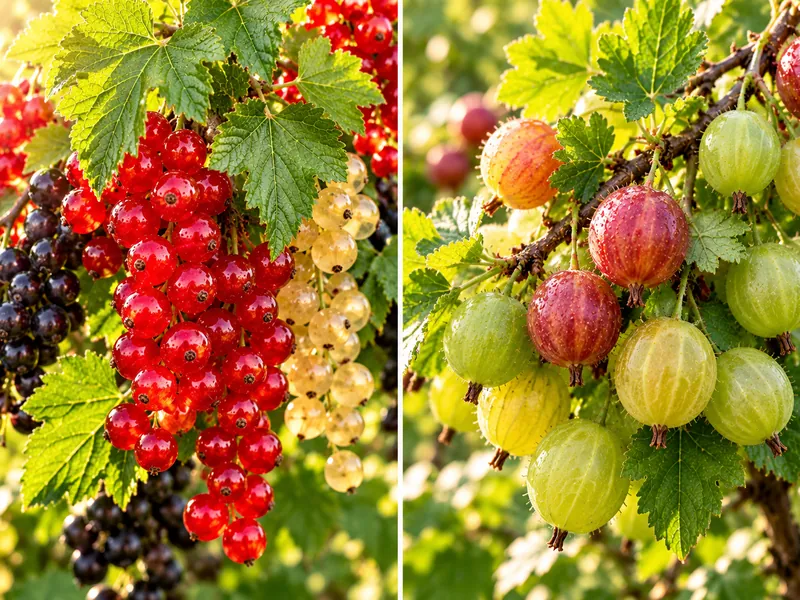
Currant & GooseberryPerennial – feeding season Apr–JulPlant in autumn or early spring2.7 Bloom Nettare + 1.5 Amino+ / pcs8 pcs
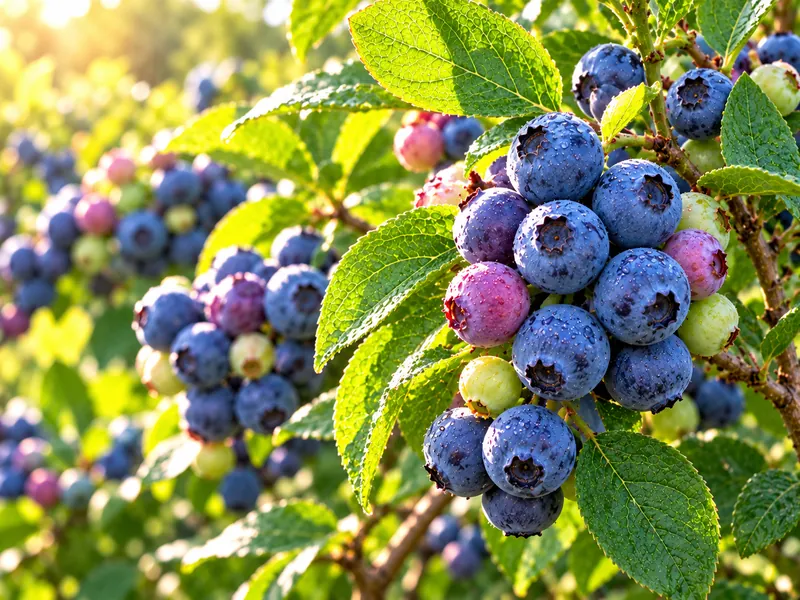
BlueberryPerennial – feeding season Apr–JulPlant in autumn or spring, in acidic (peat) substrate2.7 Bloom Nettare + 1.5 Amino+ / pcs8 pcs
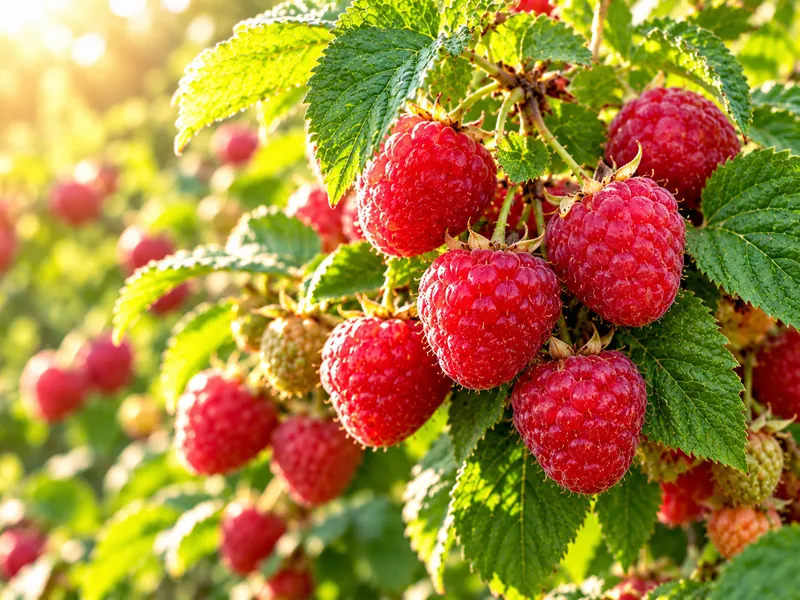
RaspberryPerennial – feeding season Apr–JulPlant in autumn (Oct–Nov) or early spring1.3 Bloom Nettare + 1.3 Amino+ / pcs8 pcs
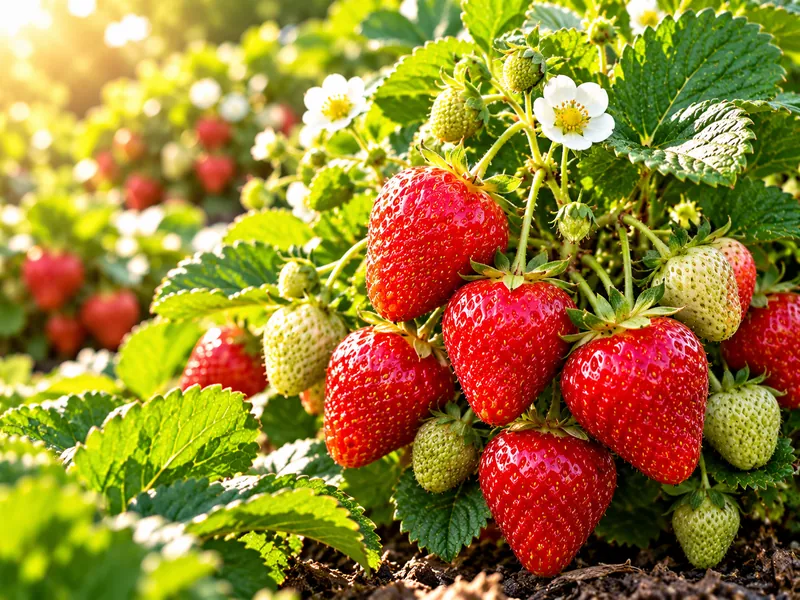
StrawberryPerennial – feeding season Apr–JunPlant Aug–Sep (crop next year) or Mar–Apr0.4 Bloom Nettare + 0.4 Amino+ / pcs30 pcs
FigPerennial – feeding season Apr–JulPlant in spring (Apr–May) in a sunny, sheltered spot – also grows in a container5.6 Bloom Nettare + 4 Amino+ / pcs3 pcs
WalnutPerennial – feeding season Feb–JulLate Oct.–Nov. (recommended) or early spring in Mar.; container-grown all season25.2 Bloom Nettare + 14.4 Amino+ / trees1–2 Packs for a mature tree
Hazel (hazelnut)Perennial – feeding season Feb–JulNov.–Mar.; container-grown all season25.2 Bloom Nettare + 14.4 Amino+ / trees1–2 Packs for a mature tree
BlackberryPerennial – feeding season Apr–JulOct.–Mar.; container-grown all year (not in a heatwave)1.3 Bloom Nettare + 1.3 Amino+ / pcs8 pcs
QuincePerennial – feeding season Feb–AugNov.–Mar.; container-grown all season28.8 Bloom Nettare + 15.3 Amino+ / trees1–2 Packs for a mature tree
One SHIVA Nettare Pack = 24 sachets Bloom Nettare + 12 sachets Amino+. For trees, the sachet need refers to a mature, medium-sized tree – a young tree needs less; the advisor calculates it exactly from the number of trees and plants.
Care calendar – what to do when
MonthSHIVA Bloom NettareSHIVA Amino+What to do
January – February––Winter pruning (apple, pear, grapevine) · do not prune walnut in winter (it bleeds)
Late February – MarchStart: apple, peach · 1 sachet / 5 L weekly · start: walnut, hazel, quinceTogether with the start (for peaches weekly during flowering)The peach is flowering – cover it when frost threatens
March – AprilWeekly: apple, peach, plum, grapevineEvery two weeksDon't spray during flowering – because of the bees
April – JuneBerries, strawberries: every two weeks · fig: weekly · blackberry: every two weeksEvery two weeks – monthly for currants and blueberriesFruit thinning (apple), bunch thinning (grapevine)
JulyWeekly; stop 2 weeks before harvestEvery two weeksGrapevine, fig: the programme ends at the end of the month
AugustApples only (until 2 weeks before harvest)Apple: every two weeksGrapes reach véraison – no feed; fig: the wood ripens
September – December––Harvest; planting in autumn (Oct–Nov) · walnut (Sep–Oct), hazelnut (late Aug–Sep), quince (Oct–Nov) harvest
Open the Feeding advisor →Enter the number of trees and plants – the app guides you month by month

Annual care calendar

The same months as in the Feeding advisor · EU average – may vary with the variety and the weather

–Winter rest (–)
BBud break / start (B)
FFlowering (F)
GFruit growth (G)
HHarvest (H)
PPlanting (P)
Garden / open ground
FruitJanFebMarAprMayJunJulAugSepOctNovDec
Apple & Pear–BFFGGGHHHP–
Peach & Nectarine–BFGGGHH–P––
Plum, Cherry, Sour cherry––FFGHHHHPP–
Grapevine––BBBFGGHH––
Currant & Gooseberry––BFGHH––PP–
Blueberry––BFFGHH–P––
Raspberry––BBFHHHHPP–
Strawberry––BFFHHPP–––
Fig–––BBGGHH–––
Walnut–BFFGGGGHHP–
Hazel (hazelnut)–BFFGGGHH–P–
Blackberry––BBFFHHHPP–
Quince–BFFGGGGGHH–
Feeding starts at bud break and stops 2 weeks before harvest – for grapevines and figs in August. The advisor shows you month by month what is due.

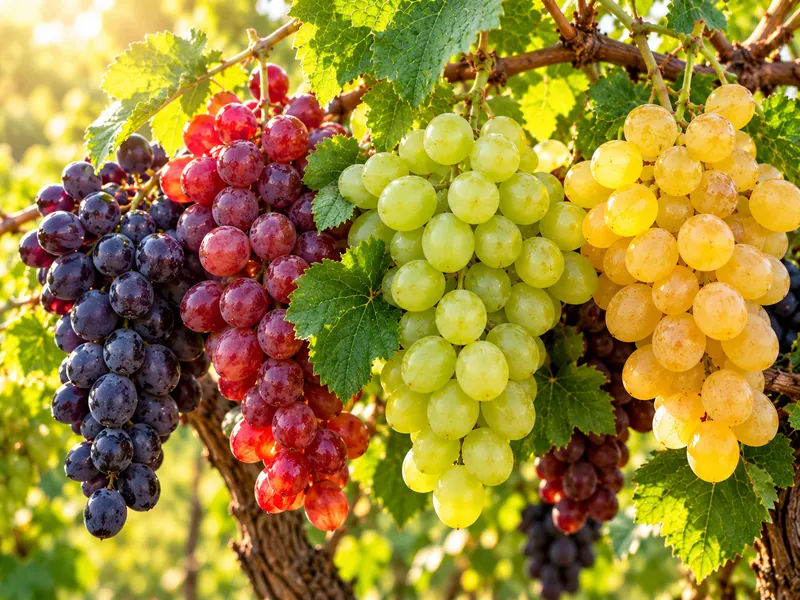
Grapevine

Table and wine grapes · pergola, terrace, container · needs full sun

Grapevine

Basic data medium

CyclePerennial – feeding season Mar–Jul, stop from August
Sowing / plantingPlant in spring (Apr) or autumn
Plant spacing1–1.5 m between vines, 2–3 m between rows
TemperatureLoves warmth
LightMin. 8 hours of direct sun
Soil pH6.0–7.0 (table), 6.5–7.5 (wine)
PruningIn winter (Jan–Feb) – this is where the yield is decided
Watering (plain water)24–36 L / pcs · about 1× a week
How to waterModerately – important at fruit set
Recommended varietiesTable: Muscat Hamburg, Italia, Bianka · wine: Pinot Noir, Chardonnay, Zweigelt
At véraison (August, when the berries start to ripen) stop all feeding – in a lush, damp environment the risk of grey mould grows.
SHIVA Nettare Pack

SHIVA Nettare programme

PackSHIVA Nettare Pack
Feed solution / feeding2–4 L / pcs
MixingBloom Nettare and Amino+ can be mixed in one watering can
Per plant for the whole cycleapprox. 13.8 sachets Bloom Nettare + 7.8 sachets Amino+ / pcs
NoteFrom August (bunch closure) all feeding stops
Bloom Nettare from bleeding to fruit set (Mar–Jul); from August only pruning and watering.
Fruit

Complete phase schedule

Bleeding and start · Mar–AprSHIVA Bloom Nettare: 1 sachet / 5 L · weekly
SHIVA Amino+: 1 sachet / 5 L · every 2 weeks
Water: 24–36 L / pcs
Flowering · May–JunSHIVA Bloom Nettare: 1 sachet / 5 L · weekly
SHIVA Amino+: 1 sachet / 5 L · every 2 weeks
Water: 24–36 L / pcs
Fruit set · JulSHIVA Bloom Nettare: 1 sachet / 5 L · weekly
SHIVA Amino+: 1 sachet / 5 L · every 2 weeks
Water: 24–36 L / pcs
Add to My plants →Free daily watering tips in the app

Apple & Pear

The most common home-garden fruit tree · in the garden and in containers · dwarf and columnar varieties for balconies too

Apple & Pear

Basic data medium

CyclePerennial – feeding season Feb–Aug
Sowing / plantingPlant in autumn (Oct–Nov) or early spring (Mar)
Plant spacing2–3 m on dwarf rootstock, 3–4 m on semi-dwarf
TemperatureModerate – frost hardy (–20 °C)
LightFull sun, min. 6–8 hours
Soil pH6.0–7.0 (optimum 6.5)
PruningIn winter (Jan–Feb) + in summer (Aug)
ContainerMin. 50-litre pot for dwarf varieties
Watering (plain water)54–80 L / trees · about 1× a week
How to waterEvenly – drought = small fruit
Recommended varietiesApple: Gala, Elstar, Jonagold · columnar: Ballerina, Minaret · pear: Conference, Williams
Most apple varieties need a pollinator variety nearby (self-fertile: Braeburn, Cox, James Grieve). In May thin out the young fruit, leaving about one every 15 cm.
SHIVA Nettare Pack

SHIVA Nettare programme

PackSHIVA Nettare Pack
Feed solution / feeding3–6 L / trees
MixingBloom Nettare and Amino+ can be mixed in one watering can
One trees for the whole seasonapprox. 28.8 sachets Bloom Nettare + 15.3 sachets Amino+ / trees
NoteStop 2 weeks before harvest
The phosphorus-rich Bloom Nettare (NPK 16-36-12) supplies nutrients from bud break to fruit growth. With pears, watch out: if there are many shoots and few flowers, don't give more feed.
Fruit

Complete phase schedule

Bud break · FebSHIVA Bloom Nettare: 1 sachet / 5 L · weekly
SHIVA Amino+: 1 sachet / 5 L · every 2 weeks
Water: 54–80 L / trees
Flowering · Mar–AprSHIVA Bloom Nettare: 1 sachet / 5 L · weekly
SHIVA Amino+: 1 sachet / 5 L · every 2 weeks
Water: 54–80 L / trees
Fruit set and growth · May–AugSHIVA Bloom Nettare: 1 sachet / 5 L · weekly
SHIVA Amino+: 1 sachet / 5 L · every 2 weeks
Water: 54–80 L / trees
Add to My plants →Free daily watering tips in the app

Peach & Nectarine

Peach and nectarine · flowers early, frost-sensitive · for a sunny, sheltered spot

Peach & Nectarine

Basic data medium

CyclePerennial – feeding season Feb–Jul
Sowing / plantingPlant in early spring (Mar) or autumn
Plant spacing4–5 m (in a container, a 40–60-litre pot)
TemperatureLoves warmth – the flowers freeze below –2 °C
LightFull sun, south- or west-facing
Soil pH6,0–7,0
FloweringMarch – early!
Watering (plain water)54–80 L / trees · about 1× a week
How to waterRegularly – critical at fruit set
Recommended varietiesRedhaven, Harrow Diamond, Bonanza (dwarf)
Below –2 °C during flowering the whole crop is lost! When frost threatens, cover the tree; move container trees to a sheltered spot.
SHIVA Nettare Pack

SHIVA Nettare programme

PackSHIVA Nettare Pack
Feed solution / feeding3–6 L / trees
MixingBloom Nettare and Amino+ can be mixed in one watering can
One trees for the whole seasonapprox. 20.7 sachets Bloom Nettare + 14.4 sachets Amino+ / trees
NoteStop 2 weeks before harvest (Jul–Aug)
Bloom Nettare from bud break to fruit growth; stop 2 weeks before ripening.
Fruit

Complete phase schedule

Bud break and flowering · Feb–MarSHIVA Bloom Nettare: 1 sachet / 5 L · weekly
SHIVA Amino+: 1 sachet / 5 L · weekly
Water: 54–80 L / trees
Fruit set and growth · Apr–JunSHIVA Bloom Nettare: 1 sachet / 5 L · weekly
SHIVA Amino+: 1 sachet / 5 L · every 2 weeks
Water: 54–80 L / trees
Add to My plants →Free daily watering tips in the app

Plum, Cherry, Sour cherry

Plum, sweet cherry, sour cherry · need fewer nutrients · more drought-tolerant than apples

Plum, Cherry, Sour cherry

Basic data easy

CyclePerennial – feeding season Mar–Jul
Sowing / plantingPlant in autumn (Oct–Nov) or early spring
Plant spacing4–6 m (sweet cherry 6–8 m)
TemperatureFrost hardy – the flowers are sensitive
LightFull sun
Soil pH6.0–7.5 (sour cherry and plum 6.5–7.5)
PruningSweet and sour cherry: after harvest
Watering (plain water)54–80 L / trees · about 1× a week
How to waterModerately – more drought-tolerant than apple
Recommended varietiesStanley and Čačanska plums · Bigarreau, Germersdorfer cherries · Morello, Újfehértói fürtös sour cherries
Lots of nitrogen = shoot growth instead of fruit. Prune stone fruit after harvest, in dry weather.
SHIVA Nettare Pack

SHIVA Nettare programme

PackSHIVA Nettare Pack
Feed solution / feeding3–6 L / trees
MixingBloom Nettare and Amino+ can be mixed in one watering can
One trees for the whole seasonapprox. 16.2 sachets Bloom Nettare + 9 sachets Amino+ / trees
NoteStop 2 weeks before harvest
Bloom Nettare from March to June; stop 2 weeks before harvest.
Fruit

Complete phase schedule

Start and flowering · Mar–AprSHIVA Bloom Nettare: 1 sachet / 5 L · weekly
SHIVA Amino+: 1 sachet / 5 L · every 2 weeks
Water: 54–80 L / trees
Fruit growth · May–JunSHIVA Bloom Nettare: 1 sachet / 5 L · weekly
SHIVA Amino+: 1 sachet / 5 L · every 2 weeks
Water: 54–80 L / trees
Add to My plants →Free daily watering tips in the app

Currant & Gooseberry

Small bushes · sensitive to overfeeding · also on balconies, in tubs

Currant & Gooseberry

Basic data easy

CyclePerennial – feeding season Apr–Jul
Sowing / plantingPlant in autumn or early spring
Plant spacing1,2–1,5 m
LightSun or half shade
Soil pH6,0–7,0
PruningAt the end of winter – the canes older than 3 years
Watering (plain water)14–20 L / pcs · about 2× a week
How to waterEvenly, generously while fruit grows
Recommended varietiesRedcurrant: Jonkheer van Tets · blackcurrant: Titania · gooseberry: Invicta
If the leaves are dark green, no more feed is needed – currants and gooseberries make do with little.
SHIVA Nettare Pack

SHIVA Nettare programme

PackSHIVA Nettare Pack
Feed solution / feeding1–2 L / pcs
MixingBloom Nettare and Amino+ can be mixed in one watering can
Per plant for the whole cycleapprox. 2.7 sachets Bloom Nettare + 1.5 sachets Amino+ / pcs
Note2-week break before harvest
Bloom Nettare every two weeks, Amino+ monthly – from flowering to harvest.
Fruit

Complete phase schedule

Flowering to harvest · Apr–JulSHIVA Bloom Nettare: 1 sachet / 5 L · every 2 weeks
SHIVA Amino+: 1 sachet / 5 L · monthly
Water: 14–20 L / pcs
Add to My plants →Free daily watering tips in the app

Blueberry

Needs an acidic medium · peaty, loose soil · easier in a container

Blueberry

Basic data demanding

CyclePerennial – feeding season Apr–Jul
Sowing / plantingPlant in autumn or spring, in acidic (peat) substrate
Plant spacing1–1,5 m
Soil pH4.5–5.5 – a must!
Growing mediumPeat + perlite (50/50) – not in normal garden soil
Irrigation waterRainwater (pH 5.0–5.5)
LightSun or half shade
Watering (plain water)13–19 L / pcs · about 2× a week
How to waterWith rainwater or acidified water (pH 5.0–5.5)
Recommended varietiesBluecrop, Duke, Patriot
Blueberries only thrive in an acidic medium (pH 4.5–5.5). Don't water with alkaline tap water – collect rainwater.
SHIVA Nettare Pack

SHIVA Nettare programme

PackSHIVA Nettare Pack
Feed solution / feeding1–2 L / pcs
MixingBloom Nettare and Amino+ can be mixed in one watering can
Per plant for the whole cycleapprox. 2.7 sachets Bloom Nettare + 1.5 sachets Amino+ / pcs
NotepH 4.5–5.5 required – water with rainwater or acidified water
Bloom Nettare every two weeks, Amino+ monthly – from flowering to harvest.
Fruit

Complete phase schedule

Flowering to harvest · Apr–JulSHIVA Bloom Nettare: 1 sachet / 5 L · every 2 weeks
SHIVA Amino+: 1 sachet / 5 L · monthly
Water: 13–19 L / pcs
Add to My plants →Free daily watering tips in the app

Raspberry

Fast-cropping bush · shallow-rooted · needs even moisture

Raspberry

Basic data easy

CyclePerennial – feeding season Apr–Jul
Sowing / plantingPlant in autumn (Oct–Nov) or early spring
Plant spacing40–50 cm in the row, 1.5–2 m between rows
LightFull sun
Soil pH6,0–7,0
PruningCut fruited canes back to the base after harvest
Watering (plain water)8.8–13 L / pcs · about 2× a week
How to waterEvenly – shallow roots
Recommended varietiesPolka, Autumn Bliss (autumn-fruiting), Tulameen
Mulch the soil – raspberries are shallow-rooted and dry out easily.
SHIVA Nettare Pack

SHIVA Nettare programme

PackSHIVA Nettare Pack
Feed solution / feeding0.5–1 L / pcs
MixingBloom Nettare and Amino+ can be mixed in one watering can
Per plant for the whole cycleapprox. 1.3 sachets Bloom Nettare + 1.3 sachets Amino+ / pcs
Note1-week break before harvest
Bloom Nettare and Amino+ every two weeks, from flowering to harvest.
Fruit

Complete phase schedule

Flowering to harvest · Apr–JulSHIVA Bloom Nettare: 1 sachet / 5 L · every 2 weeks
SHIVA Amino+: 1 sachet / 5 L · every 2 weeks
Water: 8.8–13 L / pcs
Add to My plants →Free daily watering tips in the app

Strawberry

In beds, pots and balcony boxes · fast crop · low nutrient need

Strawberry

Basic data easy

CyclePerennial – feeding season Apr–Jun
Sowing / plantingPlant Aug–Sep (crop next year) or Mar–Apr
Plant spacing25–30 × 60 cm
LightFull sun
Soil pH5,5–6,5
RenewalEvery 3 years with young plants
Watering (plain water)2.7–4.1 L / pcs · about 2× a week
How to waterEvenly, in the morning, keep the leaves dry
Recommended varietiesElsanta, Honeoye · everbearing: Ostara, Mara des Bois
Cover the soil with straw to keep the fruit clean. Water in the morning and don't wet the leaves.
SHIVA Nettare Pack

SHIVA Nettare programme

PackSHIVA Nettare Pack
Feed solution / feeding0.2–0.3 L / pcs
MixingBloom Nettare and Amino+ can be mixed in one watering can
Indoors (pot)half strength: 1 sachet / 10 L
Per plant for the whole cycleapprox. 0.4 sachets Bloom Nettare + 0.4 sachets Amino+ / pcs
Note1-week break before harvest
Bloom Nettare and Amino+ every two weeks, from flowering to harvest; half strength in pots.
Fruit

Complete phase schedule

Flowering to harvest · Apr–JunSHIVA Bloom Nettare: 1 sachet / 5 L · every 2 weeks
SHIVA Amino+: 1 sachet / 5 L · every 2 weeks
Water: 2.7–4.1 L / pcs
Add to My plants →Free daily watering tips in the app

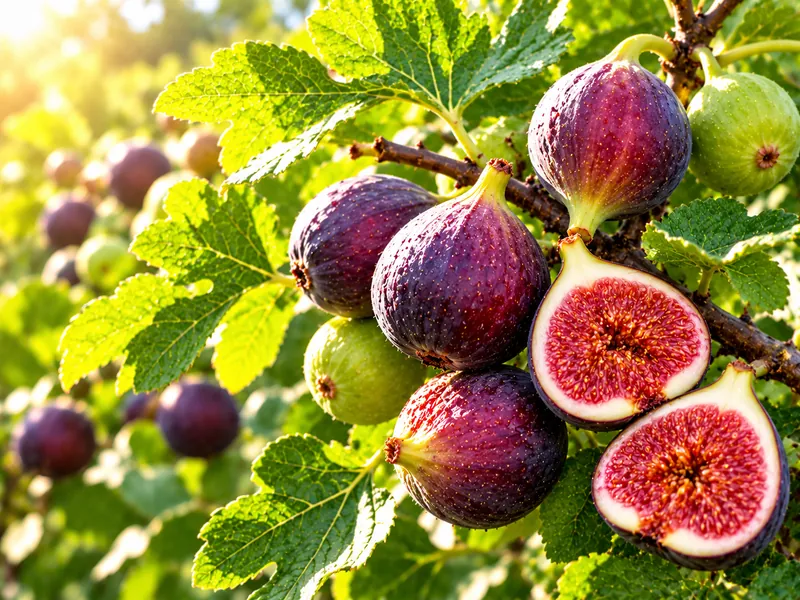
Fig

Mediterranean fruit · sunny, sheltered spot · can be grown in a tub too

Fig

Basic data medium

CyclePerennial – feeding season Apr–Jul
Sowing / plantingPlant in spring (Apr–May) in a sunny, sheltered spot – also grows in a container
Plant spacing3–4 m (in a tub, a 40–60-litre pot)
TemperatureHardy to about –10 °C, needs protection when young
LightFull sun, against a south-facing wall
Soil pH6,0–7,5
OverwinteringOverwinter tub-grown trees in a frost-free, bright place
Watering (plain water)43–65 L / pcs · about 1× a week
How to waterRegularly – generously while the fruit swells, in a container even daily
Recommended varietiesBrown Turkey, Bornholm, Dalmatie
In a tub, water even daily in summer. Stop feeding from August so the wood can ripen.
SHIVA Nettare Pack

SHIVA Nettare programme

PackSHIVA Nettare Pack
Feed solution / feeding1–3 L / pcs
MixingBloom Nettare and Amino+ can be mixed in one watering can
Per plant for the whole cycleapprox. 5.6 sachets Bloom Nettare + 4 sachets Amino+ / pcs
NoteStop from August so the wood can ripen
Bloom Nettare from April to July.
Fruit

Complete phase schedule

Shoot growth · Apr–MaySHIVA Bloom Nettare: 1 sachet / 5 L · weekly
SHIVA Amino+: 1 sachet / 5 L · every 2 weeks
Water: 43–65 L / pcs
Fruit set and ripening · Jun–JulSHIVA Bloom Nettare: 1 sachet / 5 L · every 2 weeks
SHIVA Amino+: 1 sachet / 5 L · every 2 weeks
Water: 43–65 L / pcs
Add to My plants →Free daily watering tips in the app

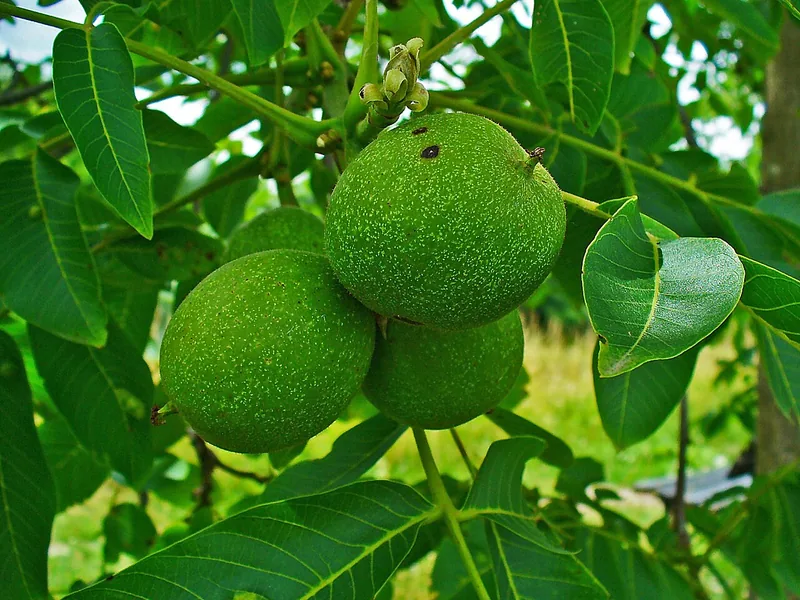
Walnut

Large tree · for big gardens · cannot be grown in a container

Walnut
Photo: H. Zell · CC BY-SA 3.0 · Wikimedia Commons

Basic data medium

CyclePerennial – feeding season Feb–Jul
Sowing / plantingLate Oct.–Nov. (recommended) or early spring in Mar.; container-grown all season
Plant spacing12–18 m (large tree)
TemperatureModerate – frost hardy (approx. –20 °C); shoots and flowers are sensitive to spring frost
LightSunny
Soil pH6.0–7.5
EC target0.8–1.2 (start) · 1.5–2.0 mS/cm (fruit growth)
PruningFrom midsummer to early autumn (Jul–Sep) – bleeds heavily in winter and spring
ContainerCannot be grown in a container
Watering (plain water)54–80 L / trees · about 1× a week
How to waterIn the first years after planting in dry springs and summers; an established tree rarely needs it
Prune only from midsummer to early autumn: in winter and spring the cuts bleed heavily.
SHIVA Nettare Pack

SHIVA Nettare programme

PackSHIVA Nettare Pack
Feed solution / feeding3–6 L / trees
MixingBloom Nettare and Amino+ can be mixed in one watering can
One trees for the whole seasonapprox. 25.2 sachets Bloom Nettare + 14.4 sachets Amino+ / trees
NoteReduce while ripening, stop 2 weeks before harvest
Bloom Nettare weekly from February to July, Amino+ every two weeks; reduce while ripening and stop 2 weeks before harvest.
Fruit

Complete phase schedule

Before bud break · FebSHIVA Bloom Nettare: 1 sachet / 5 L · weekly
SHIVA Amino+: 1 sachet / 5 L · every 2 weeks
Water: 54–80 L / trees
Flowering · Mar–AprSHIVA Bloom Nettare: 1 sachet / 5 L · weekly
SHIVA Amino+: 1 sachet / 5 L · every 2 weeks
Water: 54–80 L / trees
Fruit set · MaySHIVA Bloom Nettare: 1 sachet / 5 L · weekly
SHIVA Amino+: 1 sachet / 5 L · every 2 weeks
Water: 54–80 L / trees
Fruit growth · Jun–JulSHIVA Bloom Nettare: 1 sachet / 5 L · weekly
SHIVA Amino+: 1 sachet / 5 L · every 2 weeks
Water: 54–80 L / trees
Add to My plants →Free daily watering tips in the app

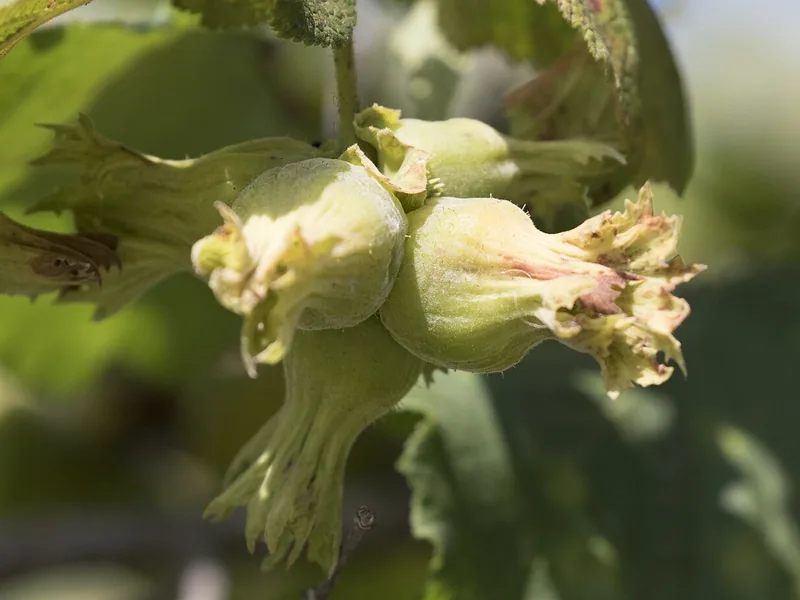
Hazel (hazelnut)

Shrub or small tree · also as a hedge · needs at least two varieties to fruit

Hazel (hazelnut)
Photo: Zeynel Cebeci · CC BY-SA 4.0 · Wikimedia Commons

Basic data medium

CyclePerennial – feeding season Feb–Jul
Sowing / plantingNov.–Mar.; container-grown all season
Plant spacingApprox. 5 m, in groups (at least two varieties)
TemperatureModerate – frost hardy (approx. –20 °C); flowers in late winter
LightSun–partial shade
Soil pH6.5–7.5
EC target0.8–1.2 (start) · 1.5–2.0 mS/cm (fruit growth)
PruningIn late winter (Feb–Mar), thin out and remove suckers + in August, snap the side shoots
ContainerNot recommended in a container
Watering (plain water)54–80 L / trees · about 1× a week
How to waterIn the first years in dry springs and summers; keep moist with mulch
Recommended varietiesCosford, Hallesche Riesennuss
In August half-break the long side shoots (break, don't cut): you get more fruiting wood.
SHIVA Nettare Pack

SHIVA Nettare programme

PackSHIVA Nettare Pack
Feed solution / feeding3–6 L / trees
MixingBloom Nettare and Amino+ can be mixed in one watering can
One trees for the whole seasonapprox. 25.2 sachets Bloom Nettare + 14.4 sachets Amino+ / trees
NoteReduce while ripening, stop 2 weeks before harvest
Bloom Nettare weekly from February to July, Amino+ every two weeks; reduce while ripening and stop 2 weeks before harvest.
Fruit

Complete phase schedule

Before bud break · FebSHIVA Bloom Nettare: 1 sachet / 5 L · weekly
SHIVA Amino+: 1 sachet / 5 L · every 2 weeks
Water: 54–80 L / trees
Flowering · Mar–AprSHIVA Bloom Nettare: 1 sachet / 5 L · weekly
SHIVA Amino+: 1 sachet / 5 L · every 2 weeks
Water: 54–80 L / trees
Fruit set · MaySHIVA Bloom Nettare: 1 sachet / 5 L · weekly
SHIVA Amino+: 1 sachet / 5 L · every 2 weeks
Water: 54–80 L / trees
Fruit growth · Jun–JulSHIVA Bloom Nettare: 1 sachet / 5 L · weekly
SHIVA Amino+: 1 sachet / 5 L · every 2 weeks
Water: 54–80 L / trees
Add to My plants →Free daily watering tips in the app

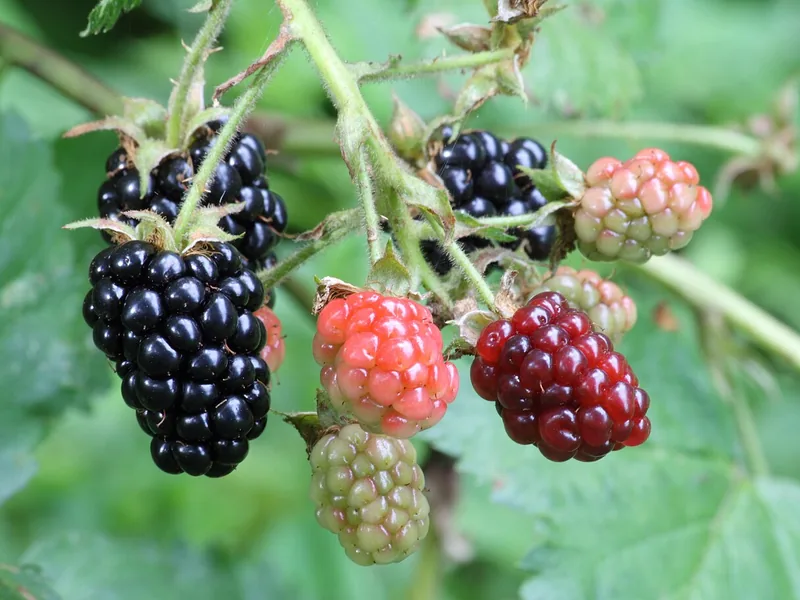
Blackberry

Thorny and thornless varieties · on a support system · fruits until late summer

Blackberry
Photo: Ragesoss · CC BY-SA 3.0 · Wikimedia Commons

Basic data easy

CyclePerennial – feeding season Apr–Jul
Sowing / plantingOct.–Mar.; container-grown all year (not in a heatwave)
Plant spacing2.5–3.5 m (4 m for vigorous varieties), on a wire support
TemperatureModerate – frost hardy; in hard winters the canes of thornless varieties may be damaged by frost
LightSunny (also fruits in partial shade)
Soil pH6.0–7.0
EC target0.5–0.8 (start) · 0.8–1.5 mS/cm (fruit set, ripening)
PruningAfter harvest, cut the fruited canes at the base + tie in the new canes
ContainerMin. 60-litre pot, with a compact thornless variety
Watering (plain water)17–25 L / pcs · about 2× a week
How to waterAfter planting and in the first season in dry weather; an established bush rarely needs it, in a container regularly
Recommended varietiesThornless: Thornfree, Loch Ness, Chester Thornless
Choose a thornless variety: much easier to prune, tie in and pick.
SHIVA Nettare Pack

SHIVA Nettare programme

PackSHIVA Nettare Pack
Feed solution / feeding0.5–1 L / pcs
MixingBloom Nettare and Amino+ can be mixed in one watering can
Per plant for the whole cycleapprox. 1.3 sachets Bloom Nettare + 1.3 sachets Amino+ / pcs
Note1-week break before harvest
Bloom Nettare and Amino+ every two weeks, from flowering to harvest.
Fruit

Complete phase schedule

Flowering to harvest · Apr–JulSHIVA Bloom Nettare: 1 sachet / 5 L · every 2 weeks
SHIVA Amino+: 1 sachet / 5 L · every 2 weeks
Water: 17–25 L / pcs
Add to My plants →Free daily watering tips in the app

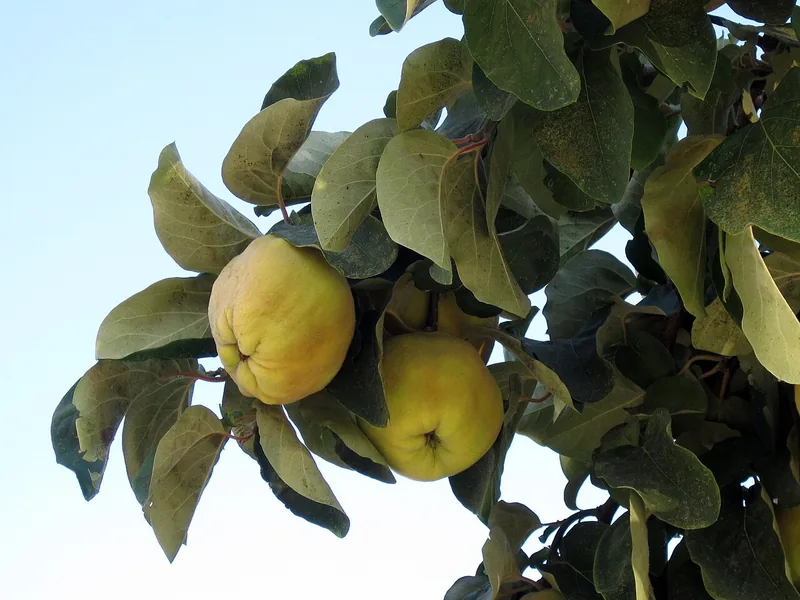
Quince

Fragrant fruit · smaller tree · for preserves and baking

Quince
Photo: Bj.schoenmakers · CC0 · Wikimedia Commons

Basic data medium

CyclePerennial – feeding season Feb–Aug
Sowing / plantingNov.–Mar.; container-grown all season
Plant spacingApprox. 3–4 m (the tree grows 2.5–4 m tall)
TemperatureModerate – frost hardy (approx. –20 °C); needs a warm, sunny position
LightSunny, warm, sheltered
Soil pH6.0–7.5
EC target0.6–1.0 (start) · 1.2–2.0 mS/cm (fruit set, ripening)
PruningIn winter (Nov–Feb), light thinning only – fruits at the shoot tips
ContainerMin. 40-litre pot, on a dwarfing rootstock
Watering (plain water)54–80 L / trees · about 1× a week
How to waterRegularly in dry weather for the first two years; later on light soil and while the fruit grows
Recommended varietiesKonstantinopeler Apfelquitte, Champion
Prune only lightly: it fruits at the shoot tips, so do not cut back the ends of the shoots.
The seeds are harmful if swallowed; the fruit can be used without the core.
SHIVA Nettare Pack

SHIVA Nettare programme

PackSHIVA Nettare Pack
Feed solution / feeding3–6 L / trees
MixingBloom Nettare and Amino+ can be mixed in one watering can
One trees for the whole seasonapprox. 28.8 sachets Bloom Nettare + 15.3 sachets Amino+ / trees
NoteStop 2 weeks before harvest
Bloom Nettare weekly from February to August, Amino+ every two weeks; stop 2 weeks before harvest.
Fruit

Complete phase schedule

Bud break · FebSHIVA Bloom Nettare: 1 sachet / 5 L · weekly
SHIVA Amino+: 1 sachet / 5 L · every 2 weeks
Water: 54–80 L / trees
Flowering · Mar–AprSHIVA Bloom Nettare: 1 sachet / 5 L · weekly
SHIVA Amino+: 1 sachet / 5 L · every 2 weeks
Water: 54–80 L / trees
Fruit set and growth · May–AugSHIVA Bloom Nettare: 1 sachet / 5 L · weekly
SHIVA Amino+: 1 sachet / 5 L · every 2 weeks
Water: 54–80 L / trees
Add to My plants →Free daily watering tips in the app

Recognising and fixing deficiency symptoms

Macro- and micronutrients · fruit trees and berries

Macronutrients

Plants need micro- and macronutrients in small amounts, but a deficiency can cause serious crop losses. Recognising the visible symptoms is key to stepping in early.

N

Nitrogen

Main component of chlorophyll and proteins. Stimulates vigorous leaf and shoot growth. Decisive in the vegetative phase.

Deficiency symptomThe lower leaves turn yellow first, then it spreads upwards. Slow growth, pale foliage.
Most common in fruitAll fruit trees, especially apples in spring
What to doCheck whether the plant is getting Bloom Nettare regularly as per the programme. Quick help: SHIVA Amino+ 1 sachet / 5 L.
P

Phosphorus

Root development, flowering and energy transfer (ATP). Critical during flowering and fruit set.

Deficiency symptomPurplish-red discoloration of the leaves, especially on the undersides. Slow flowering, weak root system.
Most common in fruitApple, pear, grapevine; in early spring, in the cold
What to doPhosphorus cannot be taken up from cold soil – wait for warmer weather. Measure the pH (6.0–7.0).
K

Potassium

Water and nutrient transport, turgor, disease resistance. Especially important in the final phase.

Deficiency symptomLeaf edges turn brown and dry out. Weak stems, reduced resistance.
Most common in fruitPeach, grapevine, apple when ripening
What to doBloom Nettare also supplies potassium (K 12%) – keep to the programme and water evenly.
Ca

Calcium

Cell wall building, root growth, nutrient uptake. Not mobile – needs a continuous supply.

Deficiency symptomYoung leaves become deformed, brown spots appear. Blossom end rot in tomatoes and peppers.
Most common in fruitApple (bitter pit), pear
What to doCalcium only reaches the fruit with water: water evenly and mulch around the base of the tree.
Mg

Magnesium

The centre of the chlorophyll molecule. Supports photosynthesis, enzyme activity and phosphorus uptake.

Deficiency symptomInterveinal chlorosis: the veins stay green, the tissue between them yellows. Appears on older leaves.
Most common in fruitApple, grapevine
What to doDon't concentrate the feed solution: excess potassium blocks magnesium uptake. Measure the pH.
S

Sulphur

Component of amino acids and proteins. Enzyme activator, supports terpene production.

Deficiency symptomEven yellowing of young leaves (starting from the top). Slow growth.
Most common in fruitRare; on sandy soil
What to doKeep to the doses and frequency of the SHIVA programme.
Micronutrients (trace elements)
Fe

Iron

Chlorophyll synthesis, nitrogen fixation, enzyme component.

Deficiency symptomYoung leaves turn yellow, the veins stay green. Most common cause: alkaline soil (pH>7).
Most common in fruitBlueberry, grapevine on alkaline soil
What to doMeasure the pH first! Blueberries need an acidic medium (pH 4.5–5.5) and rainwater.
Mn

Manganese

Chlorophyll synthesis, vitamin C and nitrogen metabolism. More available on acidic soil.

Deficiency symptomInterveinal chlorosis on young leaves, alkaline soil. Pale appearance, slow development.
Most common in fruitSour and sweet cherry on alkaline soil
What to doMeasure the pH; don't lime alkaline soil.
Zn

Zinc

Component of enzyme systems, protein synthesis, production of growth hormones.

Deficiency symptomShort internodes, small leaves, yellowing and spotting. Late ripening.
Most common in fruitApple, peach (little leaf)
What to doCommon in a cold, wet spring; it sorts itself out in warmer weather.
Cu

Copper

Reproduction, enzyme activity, chlorophyll synthesis. Supports root development and protein use.

Deficiency symptomYoung leaves turn yellow, then die off. In extreme cases the leaves shrivel.
Most common in fruitRare; on peaty, sandy soil
What to doKeep to the doses of the SHIVA programme.
B

Boron

Cell membranes, root and shoot growth, sugar transport. Critical during fruit set.

Deficiency symptomMore common on alkaline soil. Dying growing tips, deformed leaves, bud drop.
Most common in fruitApple, pear, grapevine (flower and fruit drop)
What to doWater evenly (boron cannot be taken up from dry soil) and measure the pH: common above 7.
Mo

Molybdenum

Nitrogen metabolism, protein synthesis, converting inorganic phosphates into organic form.

Deficiency symptomTypical on acidic soil. Pale, deformed leaves, slow growth.
Most common in fruitRare; on acidic soil
What to doOn acidic soil (below pH 5.5) raise the pH with garden lime in autumn – except for blueberries!
Plants get carbon, hydrogen and oxygen from air and water – these make up most of the plant's biomass. Alongside the 13 nutrients, they are essential too.
From symptom to solution – fruit
SymptomLikely causeMost common in which fruitWhat to do
Yellowing of the lower leaves, slow growthNitrogen (N)All fruit trees, especially apples in springMissed a feed? Go back to the programme; quick help: SHIVA Amino+ 1 sachet / 5 L
Little or small fruit, poor fruit setPhosphorus (P)Apple, pear, grapevineMeasure the pH – phosphorus is available between 6.0 and 7.0
Fruit cracking, loss of flavour, soft fruitPotassium (K) / uneven wateringPeach, grapevine, apple when ripeningKeep to the Bloom Nettare programme; water evenly
Yellowing between the veins – young leavesIron (Fe) or magnesium (Mg)Blueberry, grapevine on alkaline soilMeasure the pH first! Blueberries need an acidic medium and rainwater
Browning leaf edgesPotassium (K) or lack of waterApple, pear in dry weatherEven watering, mulch; keep to the programme
Flower and early fruit dropBoron (B) / lack of water during floweringApple, pear, grapevineWater evenly during flowering; pH should not be above 7
Purplish leaf colour in early springPhosphorus (P) – cold soilApple, peachWait for warmer weather – below 10 °C uptake is slow
Poorer winter frost hardinessPotassium (K) – late in the seasonGrapevine, peachDon't feed in autumn; end the programme in the given month
Quick diagnosis – where does the symptom appear?
Where?What does it mean?What to do
Starts on lower / older leavesMobile element (N, P, K, Mg) – the tree moves it to the young partsCheck whether a feed watering was missed – keep to the SHIVA programme
Appears on young / top leavesImmobile element (Ca, Fe, Mn, B) – cannot move backMeasure the pH first! Above pH 7 iron gets locked up
The whole tree yellows evenlyGeneral nutrient deficiency OR pH problemMeasure the pH, then the SHIVA programme as per the advisor
The iron in SHIVA Bloom Nettare is EDTA-chelated. On alkaline soil (above pH 7) iron is harder to take up – in that case it is worth checking the pH.
Ask Dr. Gringro

© 2026 GreenGro Plants s.r.o. · All rights reserved.